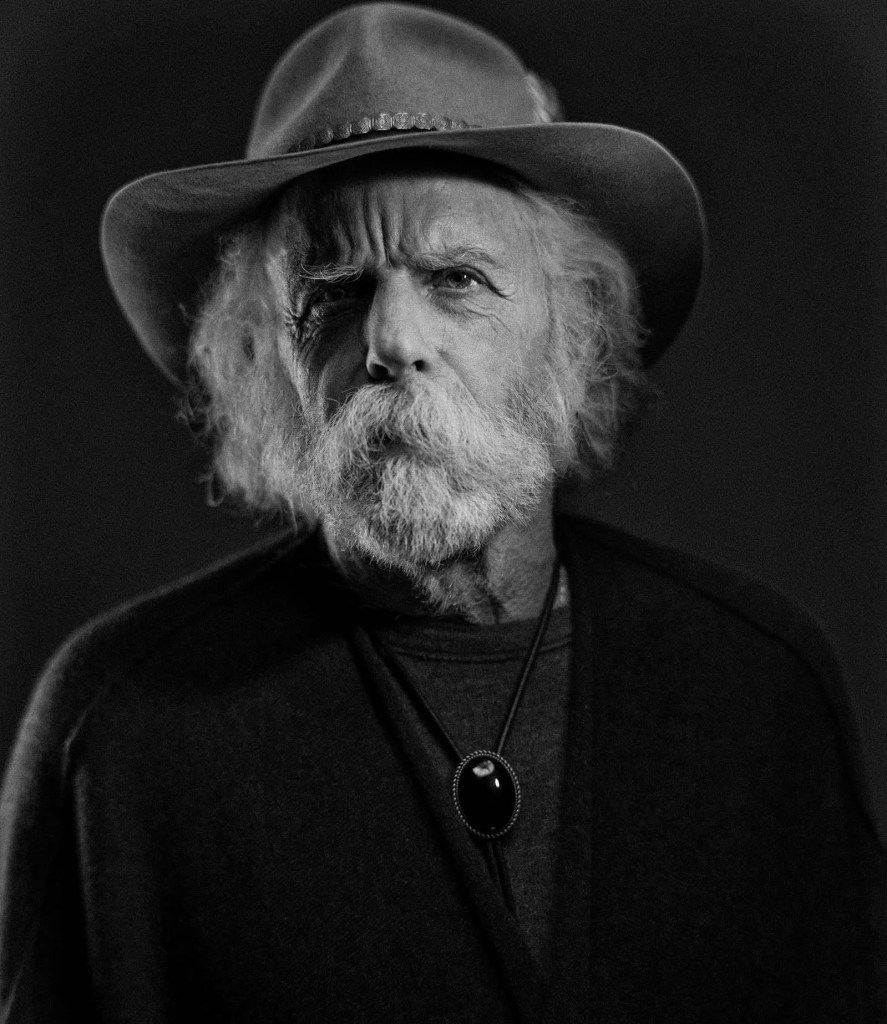
Remembering Bob Weir: Founding member of The Grateful Dead dies at 78 after battle with cancer
By: Kevin Vickery
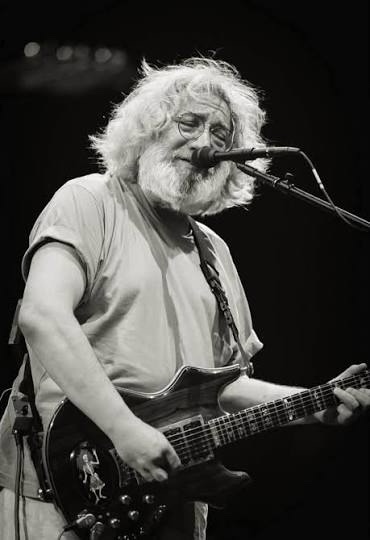
On January 10, 2026, at the age of 78., guitarist, singer-song writer and cofounder of the Grateful Dead, Bob Weir died from underlying lung problems associated with his cancer diagnosis earlier in the year. Weir was born in San Francisco on October 16, 1947 and raised by adoptive parents in nearby Atherton, California where he attended several local schools and began playing the guitar at age 13. By the time, he was 16, Weir met Jerry Garcia by chance, quit school and along with with Garcia, Phil Lesh, Bill Kreutzmann and Ron “Pigpen” McKernan formed Mother McCree’s Uptown Jug Champions, which was later renamed The Warlocks and eventually the Grateful Dead.
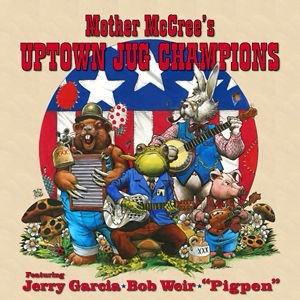
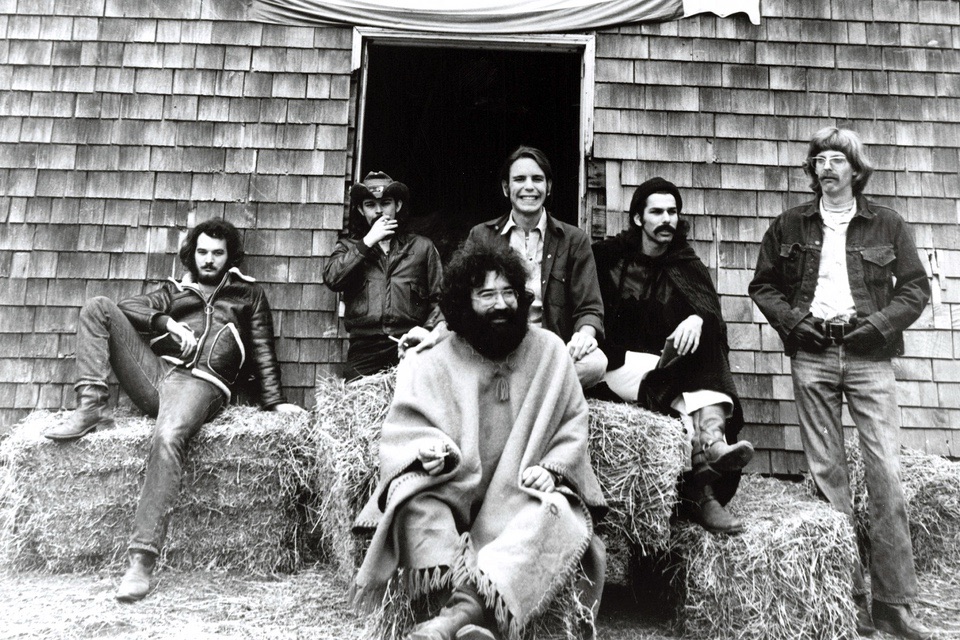
Officially forming in San Francisco Bay Area in 1965 amid the counterculture of the 1960s, the Grateful Dead developed their well known sound and their eclectic style that fused elements of rock and roll, blues, jazz, folk, country and bluegrass, with reggae, world music and psychedelia. The band is famous for improvisation during their live performances, and became known as the pioneering Godfathers of the “jam band” world.
This free-form, jam style gave their live concerts a different feel every night to the delight of their dedicated fan base, the “Dead Heads” who often traveled from city to city to take in the ever changing musical interpretations of the band’s songs. That sort of expressive freedom is as much of a part of the Dead Head lifestyle as the actual music. A true Dead Head experience often involved not even attending the show itself but absorbing the experience of traveling with the community, camping, and enjoying life together. They embodied the free love and spiritual movement of the late ‘60s including floral print dresses, tie dyed shirts, dancing bear tattoos, amoeba dancing, dousing themselves in patchouli and the use of certain psychedelics, carrying the hippie vibe all the way through the band’s career. The Grateful Dead officially disbanded after Jerry Garcia’s death in 1995.
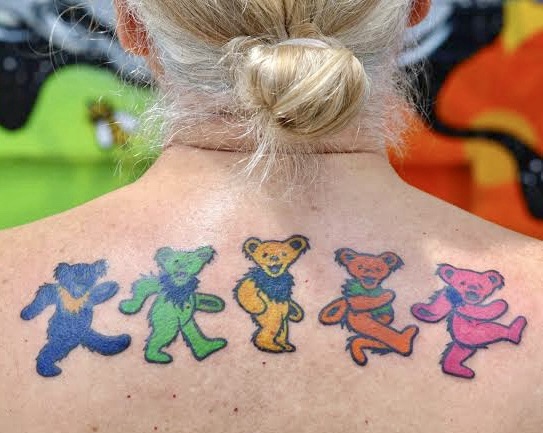
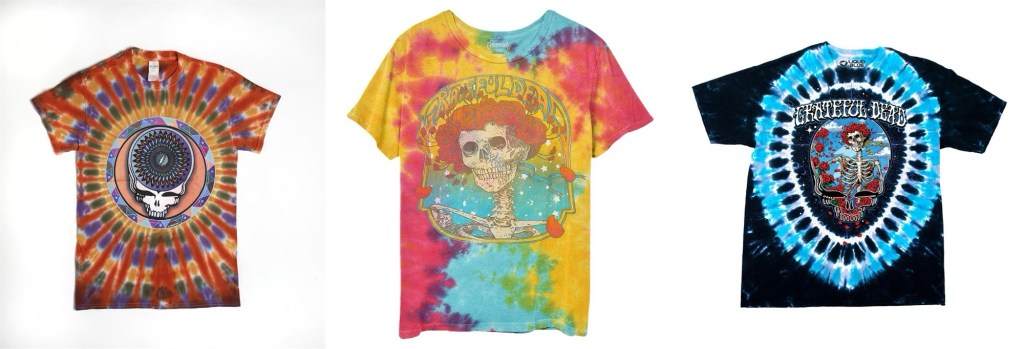
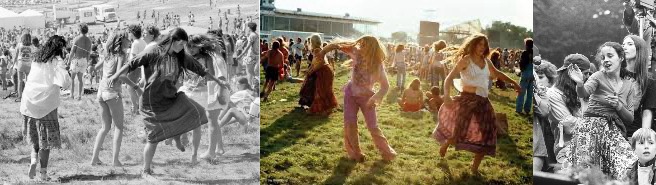

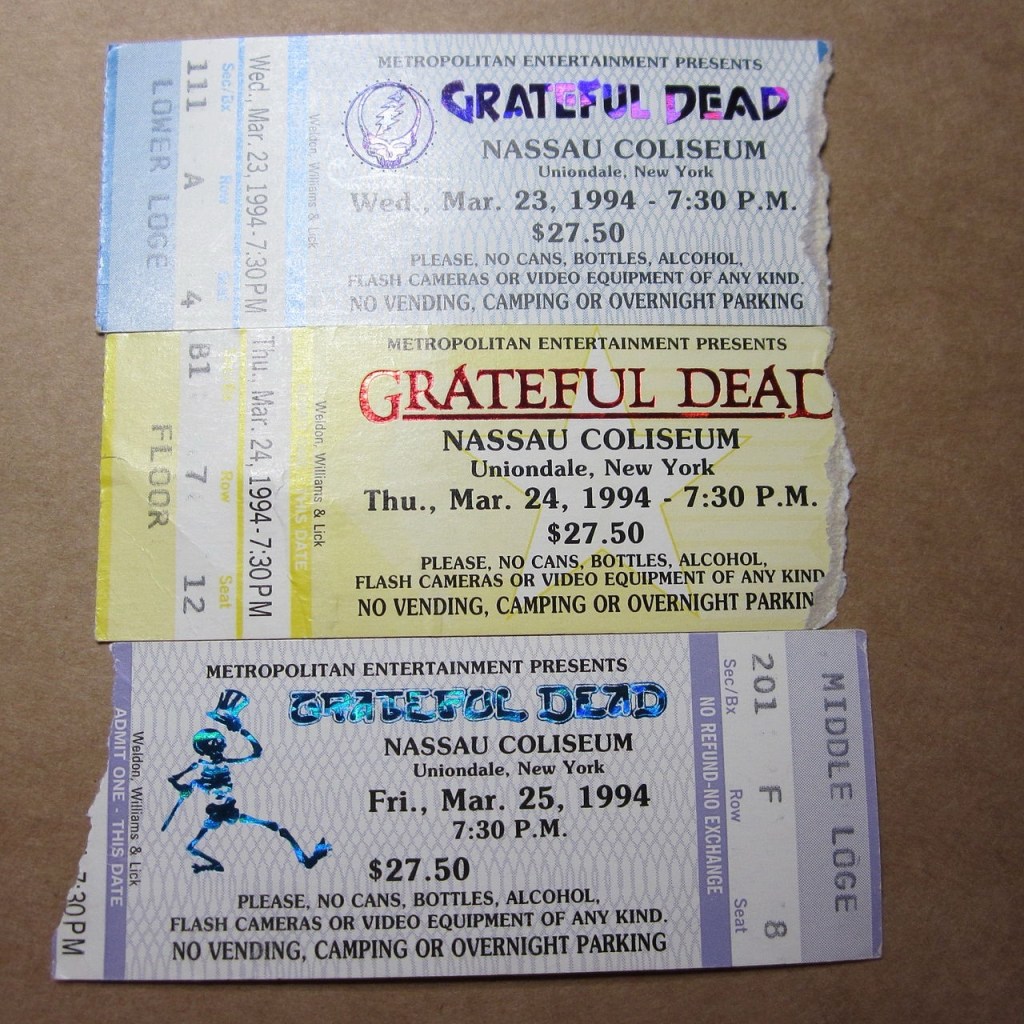
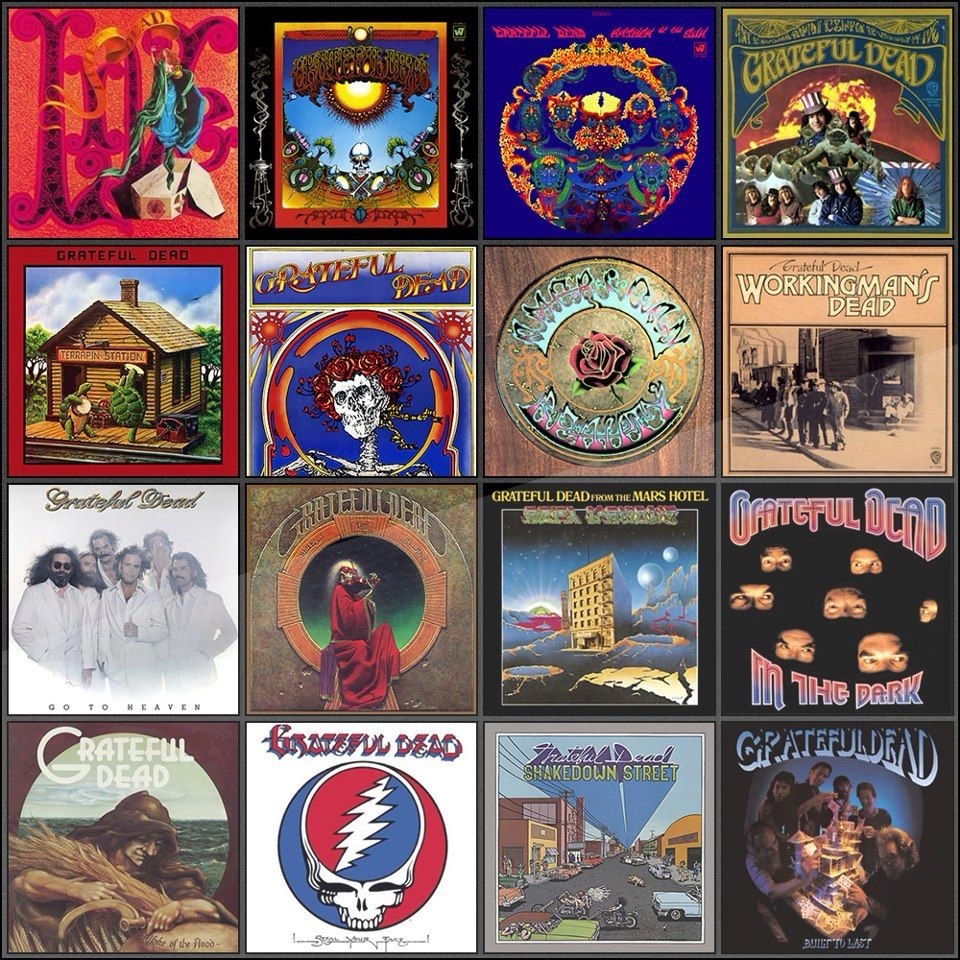
During that 30 year span and continuing through modern day, the Grateful Dead recorded and released over 200 albums with nearly all original members including Bob Weir. Their catalog includes 13 studio albums, nine live albums, 13 compilation albums, 28 box sets, 70 retrospective live albums, 19 digital download format series, and a large amount of live recordings released from their “From the Vault” series which were compiled, remixed and remastered by band music archivists, Dick Latvala and Dave Lemeiux, known as “Dick’s Picks”, “Road Trips” and, “Dave’s Picks”.
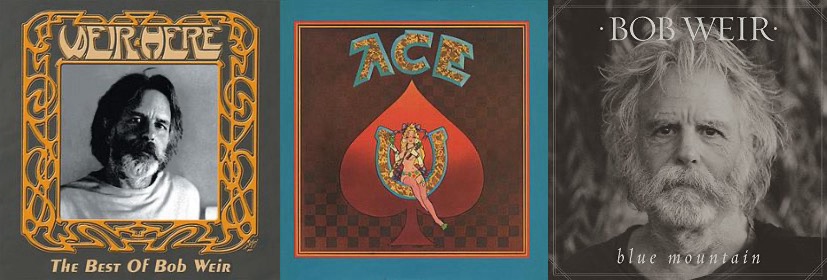
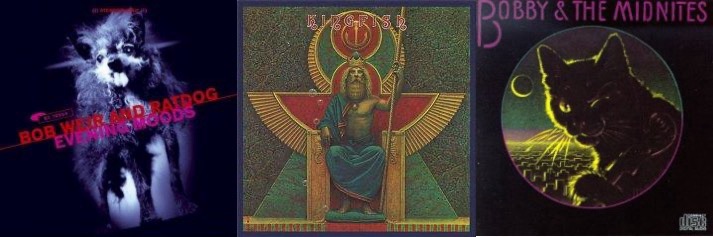
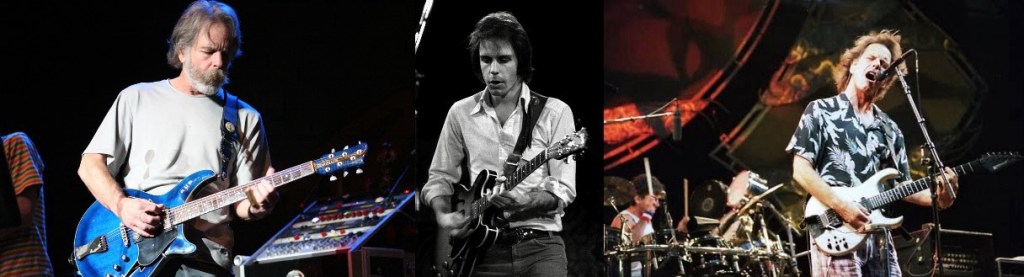
Guitarist, Bob Weir’s unique sound and approach to rhythm guitar can be heard on nearly every track of all those recordings as well as on his solo records and the several side project bands he founded over the years like: Kingfish, Bobby and the Midnites, RatDog, and Bobby Weir & the Wolf Bros featuring The Wolfpack as well as the various Grateful Dead spin off projects that were assembled to carry on the band in the post-Garcia years such as: the Other Ones, The Dead, Further, and Dead and Company.

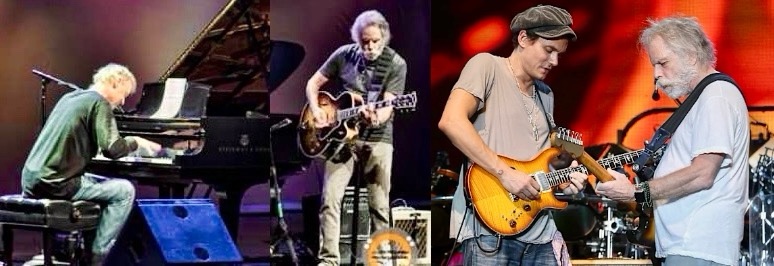
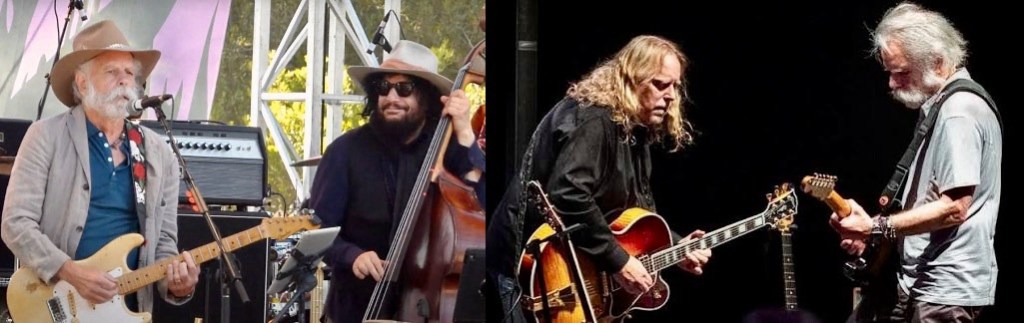
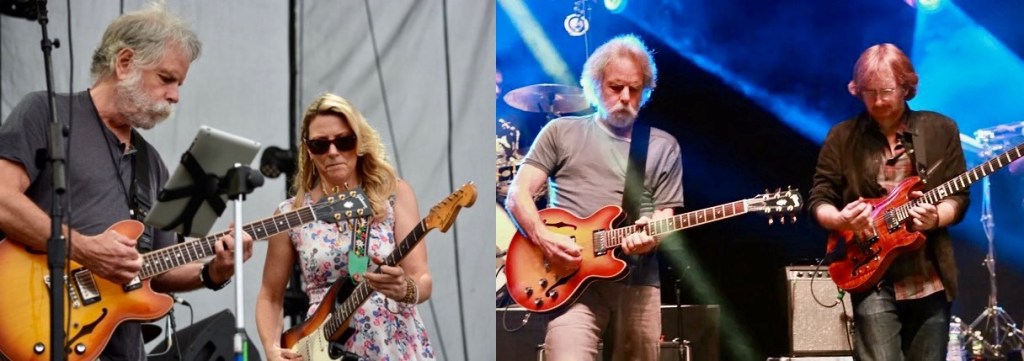
All of these groups featured Weir along with other past members of the Grateful Dead and other well known musicians including: Bruce Hornsby, John Mayer, Don Was, Warren Haynes, Susan Tedeschi, and Trey Anastasio.
I personally never saw the Grateful Dead perform live but I did see Bobby Weir’s Wolfpack at Farm Aid in Noblesville (Deer Creek) back in 2023. I enjoyed their set but honestly, I’m an amateur Grateful Dead fan at best.
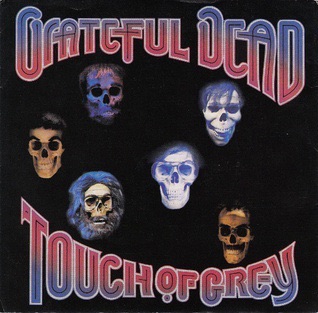
My first exposure was when their hit single, “Touch of Grey” hit rock radio and MTV in 1987. I liked the song but it wasn’t until later that I learned their 1970 songs, “Truckin’ and, “Casey Jones” which I also liked were by the same band.
Over the years, I’ve grown fond of other Dead classics like, “Friend of the Devil”, “Fire on the Mountain” and “Franklin’s Tower” but I prefer the album versions to the longer, freestyle jam versions from their live records. Most of the Dead Heads I know scoff at this explaining that I don’t know the “REAL Grateful Dead”, and while they’re entitled to their opinions, I still prefer to enjoy the Dead on my own terms.
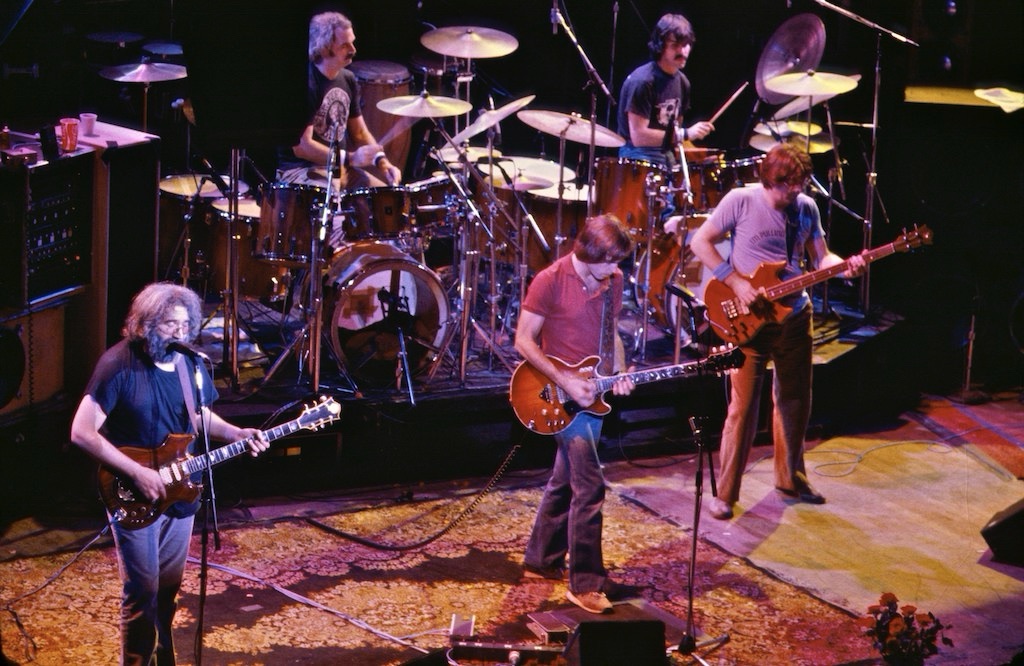
I would agree with them that the improvisational jam versions allow the musicians to speak to the crowd and to each other through the language of their instruments. There is something special about that form of inter-musician communication and no band has ever been better at speaking that language than the Grateful Dead.
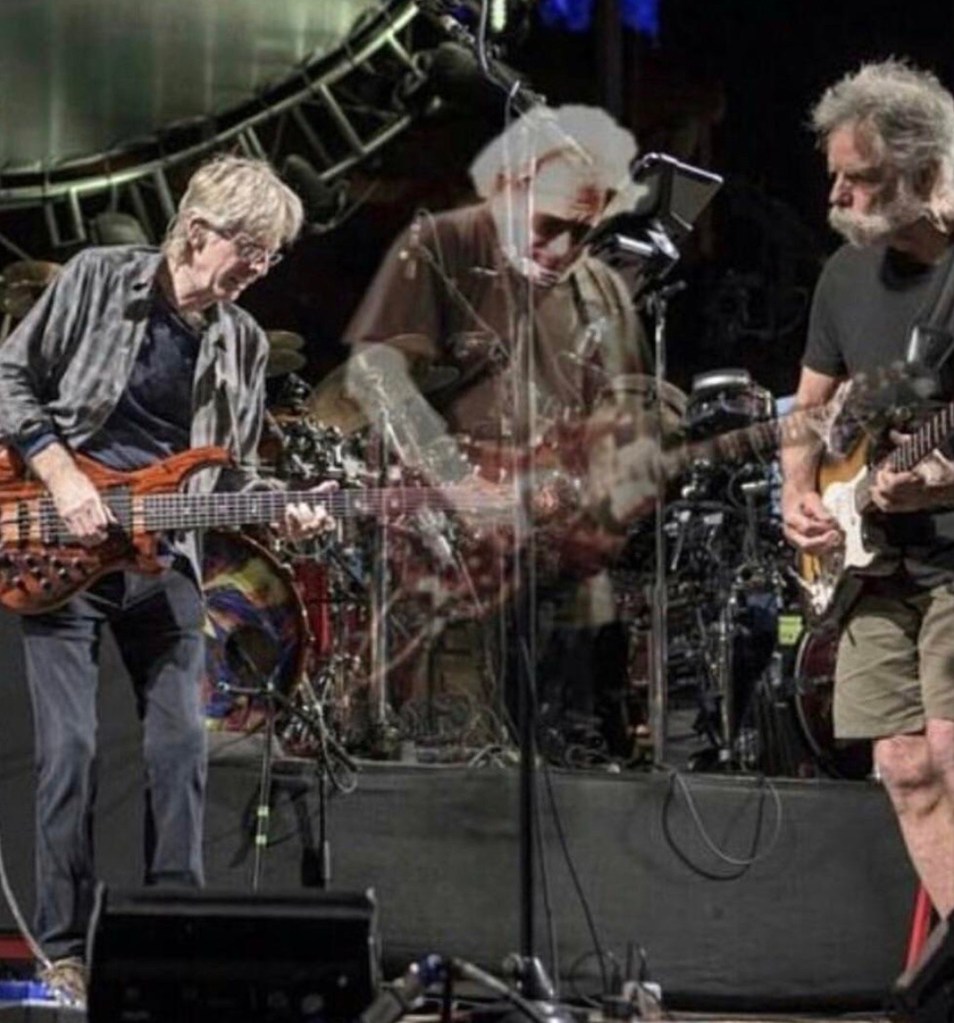
Bob Weir’s approach to rhythm guitar was an integral part of that musical conversation. For that reason, I wanted to speak to a couple of guitarist friends who are Dead fans and let them breakdown Bob’s style and technique better than I can.
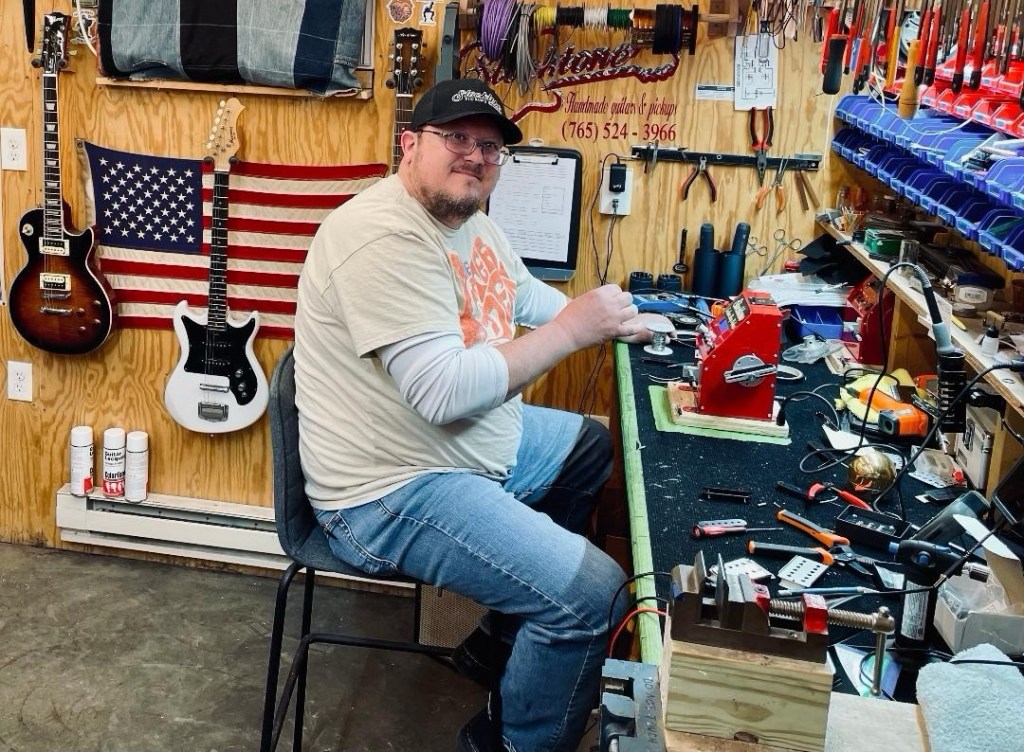
My old friend, guitar guru and proprietor of New Castle’s Stocktone Custom Shop, Sherman Stockton told me, “I never got to see the Grateful Dead. – I went to the campground at Pine Lakes every year for about four years when they would come to town. – It’s fair to say I fell in love with the atmosphere first and the music grew on me after awhile.” On seeing Bob Weir perform, he continued, “I did see Bob with RatDog many times and I also saw him with The Dead (Warren Haynes version) and Dead and Company with John Mayer.”
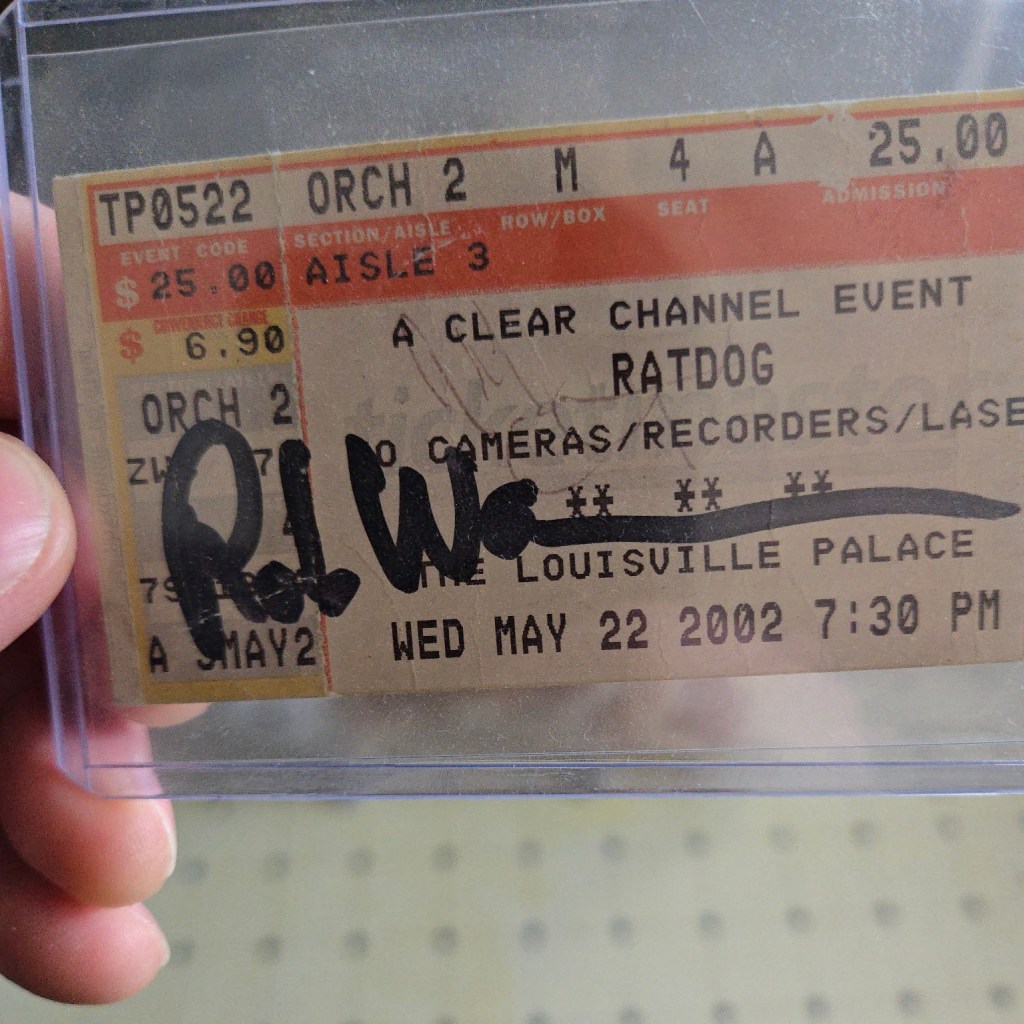
I asked Sherman specifically about Bob Weir’s playing style and he elaborated, “His rhythm guitar playing was like no other. – He knew more chord phrasings than Wes Montgomery, Chett Atkins, and Les Paul put together! – He didn’t chunk along a rhythm part under the music. – He played the journey it was on.”
Sherman informed me that the first song Weir ever wrote was, “The Other One” which he likened to being, “Pretty much every jam band guitarist’s, ‘Smoke on the Water’.” He added that his two favorite tunes that Bob Weir’s sang were, “Cassidy” and “Throwing Stones”.
He sent me versions of both to review and explained this about the playing on, “Throwing Stones” saying, “This particular version captures a phenomenon I’ve witnessed and also had the privilege of being a part of a time or two, but this is the only time I’ve heard it captured on tape”. He continued, “I’m talking about when a band is performing outside and really digging into a jam and following where the music is taking you to the point where everything is about to fall apart. – Just then, the wind picks up and starts to rush. – Somehow the band members catch it and everything falls perfectly in place. – When it happens on this recording, you can hear it happen – all but the wind starting to rush. – You can’t hear the wind but you can tell it is!”
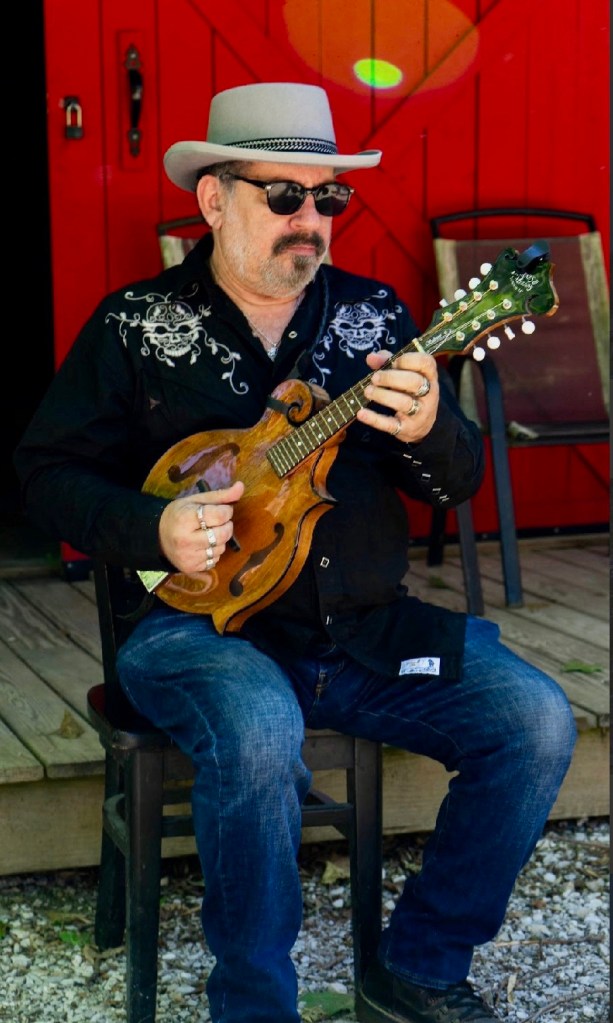
I was also able to get the reflections of my good friend and band mate for the last 20 years, mandolin, and guitarist extraordinaire, Dave Bagdade who as a lifelong fan of the Grateful Dead, was happy to share his thoughts on Bob Weir and his influence.
Dave who has been a huge Dead Head since 1985 has seen the band 15 times including the last two shows ever, in July 1995 at Soldier Field in Chicago and has also listened to hundreds of shows via fan tapes.
With that in mind, Dave said, “I had heard a great many live tapes before then, so musically, I had an idea of what to expect, but seeing them in person was so much better: the musical interplay, the community, the Deadhead experience.”
I asked him about his favorite songs written and/or sung by Bob Weir and like Sherman he said, “I loved the live medley of “Throwing Stones” (written by Bob) into “Not Fade Away” and was always happy when that closed a show.” Adding, “Another favorite was ‘Jack Straw’.
I asked Dave how influential Bob was on his own and on music in general and he told me, “Very. – He approached both rhythm guitar and songwriting in a unique way, and even listening to music. – He was keen to get to grips with a piece of music, say, a symphony, and try to really understand what made it work. Dave continued, “I would say his approach to listening was a bigger direct influence on me than his writing and playing, though I enjoyed and appreciated both very much. – It’s hard to claim a direct influence on playing, as his approach was so unique. However, if I learned anything from his guitar playing, it is the idea of playing chords all over the fretboard, rather than just sticking to the standard first position or barre chords.”
I also asked Dave how he thought Bob Weir’s legacy should be remembered as opposed to Jerry Garcia’s as the founding force of The Grateful Dead and he explained, “Bob Weir’s rhythm guitar playing, especially, was an essential part of what made the Dead sound like the Dead. – Jerry freely acknowledged Weir’s importance as a rhythm guitarist within the context of the band. – Weir was also responsible for some of the significant musical directions the band took, such as the country songs they brought in in 1969-70, and some of the jazzier direction they adopted in the mid 70s.
He added, “I don’t know about comparisons to Jerry per se, as what they did was quite different, but it is impossible to imagine the Dead without either of them, which is why none of the post-Jerry ensembles really measure up. If Bob had died first, and they tried to do the later ensembles without him, I think it would’ve been the same problem. – Both Jerry and Bob were essential components, both in terms of playing and singing.”
Even though I’m not the Grateful Dead expert that either of these two of my guitar-centric friends are, I can completely understand and relate to that sentiment. Maybe the world doesn’t know how much Weir and Garcia were the equal yin and yang to the overall sound of the band but the Dead Heads know and if you listen to enough of their music, you can feel that equality in contribution. To me, it’s the same as John Lennon and Paul McCartney, Mick Jagger and Keith Richards, Elton John and Bernie Taupin or Tom Petty and Mike Campbell. You can take either first half of any of those great music collaborating duos and still have something great, but the combination is so much better.
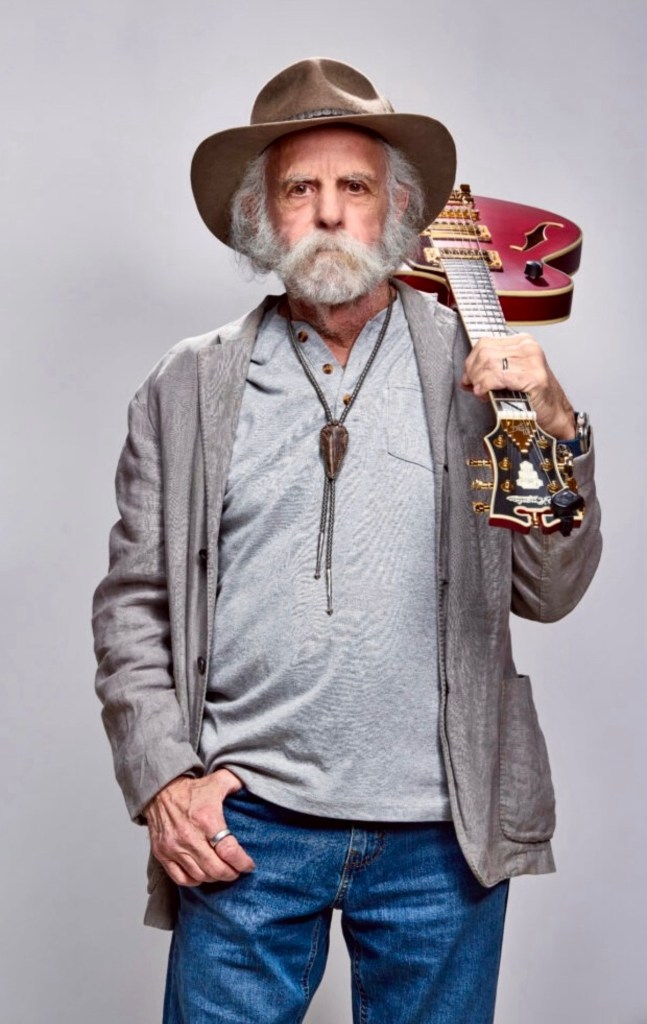
It should also be noted that In 1994, Bob Weir was inducted into the Rock and Roll Hall of Fame as a member of the Grateful Dead. He also received the Lifetime Achievement Award at the 2016 Americana Honors & Awards, and in 2024, he was awarded Kennedy Center Honors as a member of the Grateful Dead.
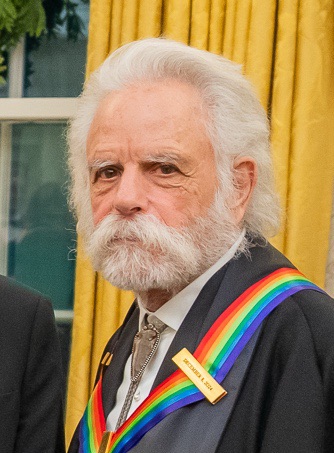
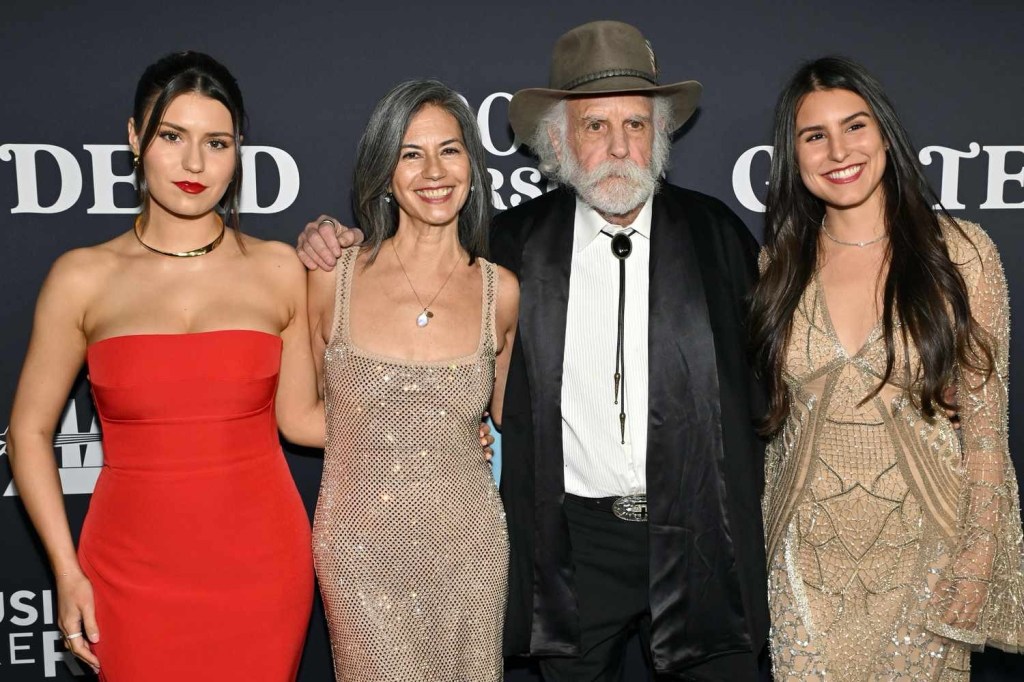
He is survived by his wife, Natascha Muenter and his two daughters, Shala Monet and Chloe Kaelia.
For more information about Bob Weir’s life and legacy visit his official website at bobweir.net
To purchase the Grateful Dead merchandise or to keep up with the latest schedule of Dead and Company visit dead.net or deadandcompany.com
 Make Some Noise