Remembering Merle Haggard: Country Music Icon Gone 10 Years But Not Forgotten
By: Kevin Vickery
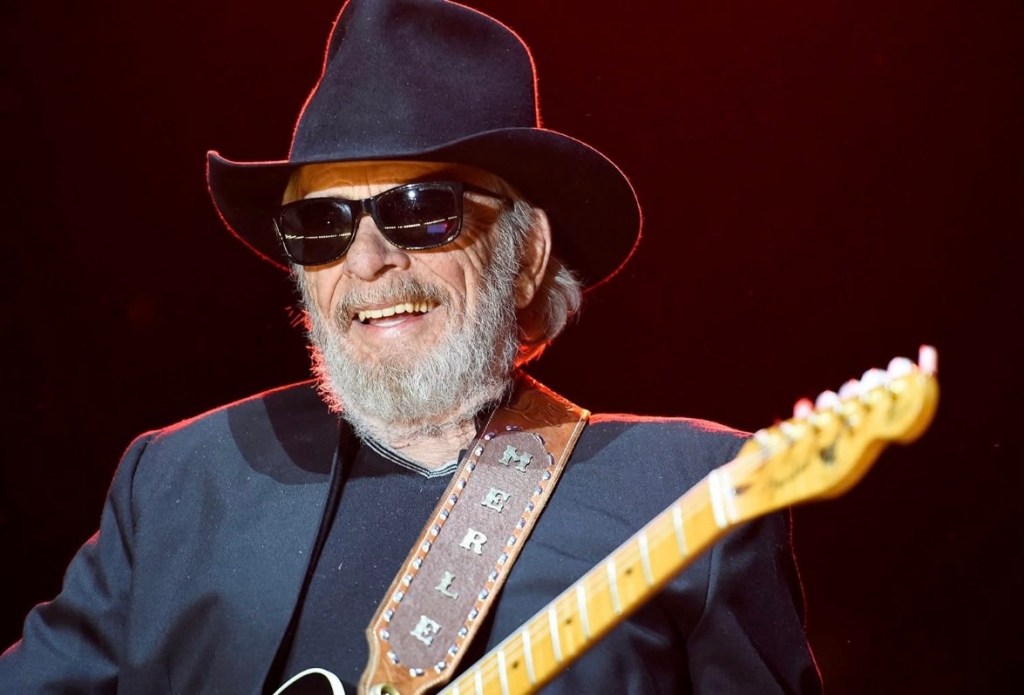
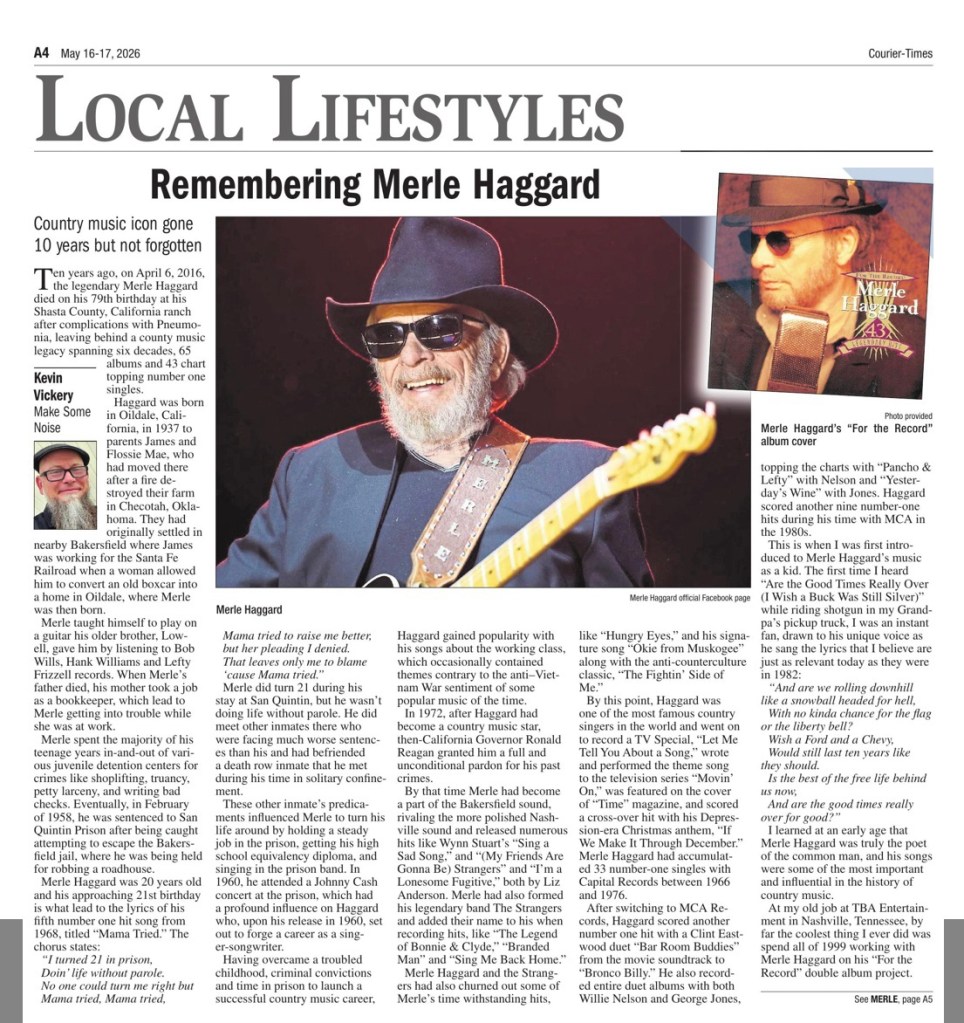
Ten years ago, on April 6th 2016, the legendary Merle Haggard died on his 79th birthday at his Shasta County, California ranch after complications with Pneumonia, leaving behind a county music legacy spanning six decades, 65 albums and 43 chart topping number one singles.
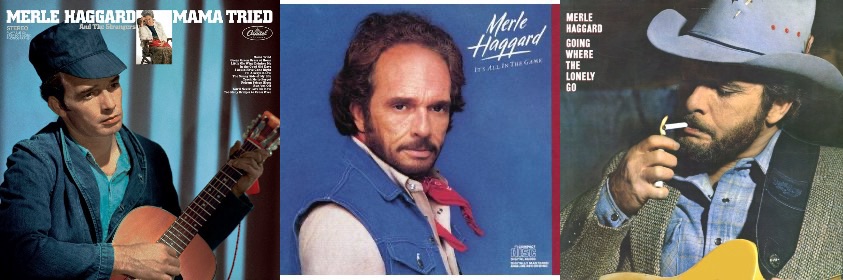
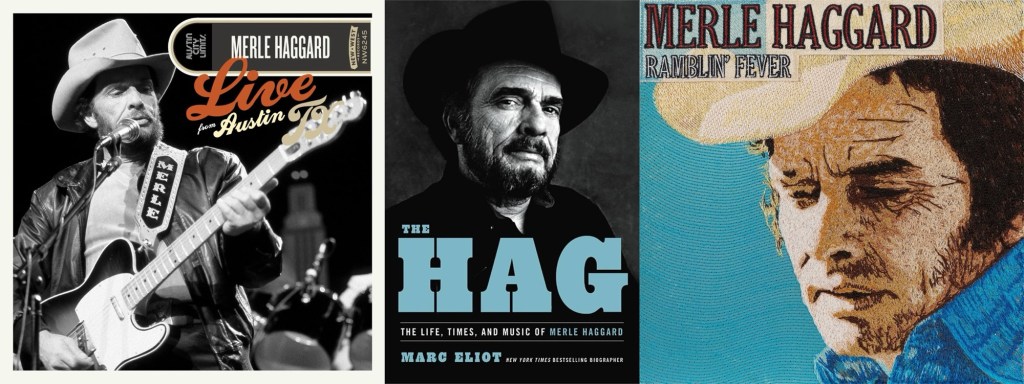
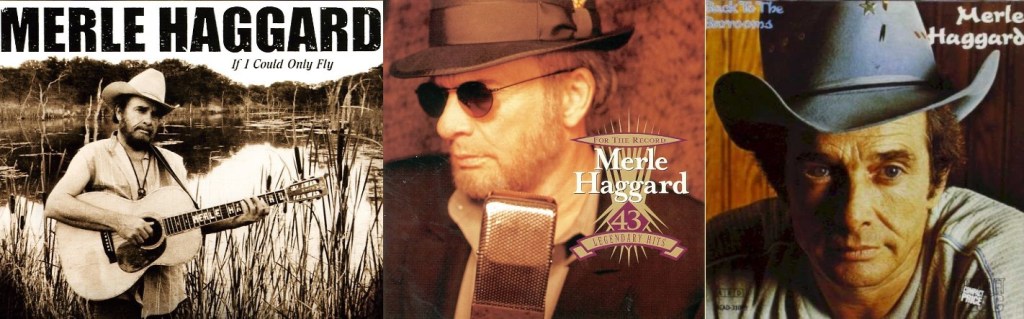
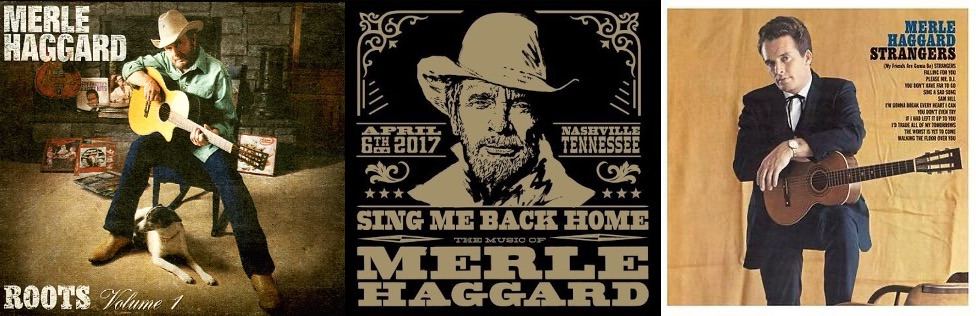
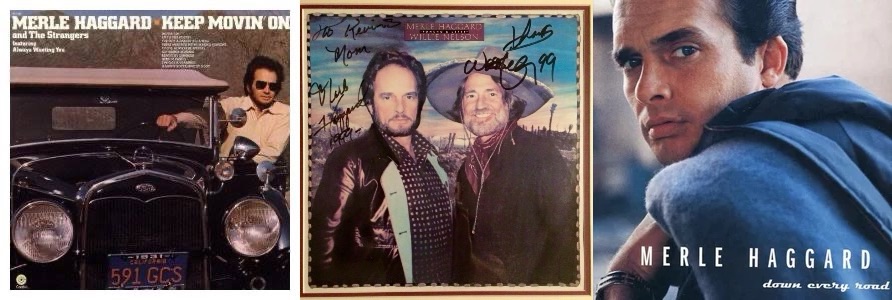
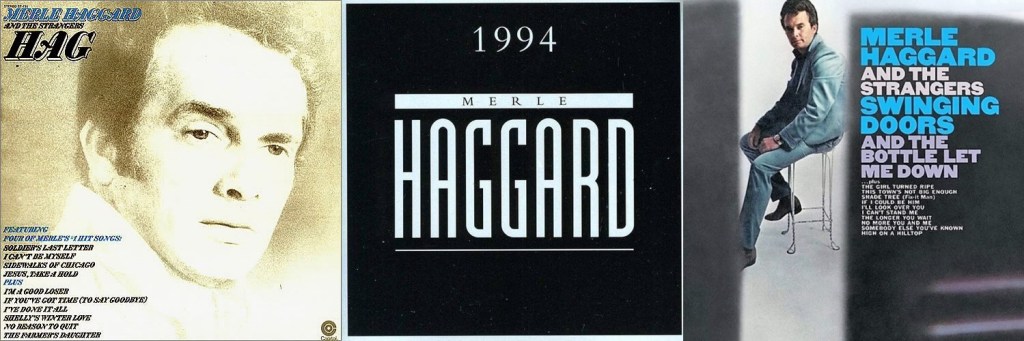
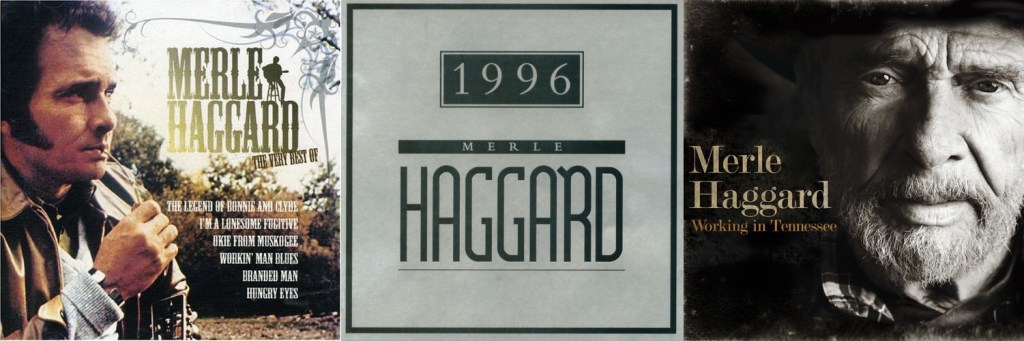
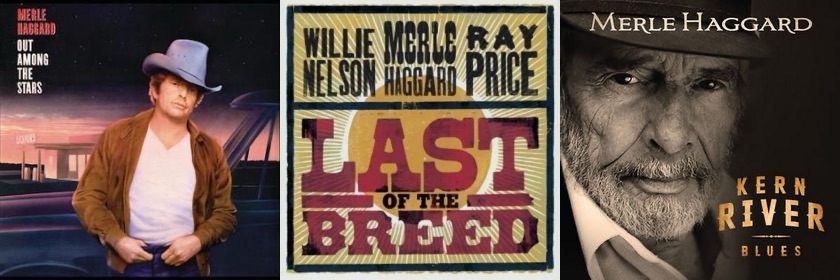
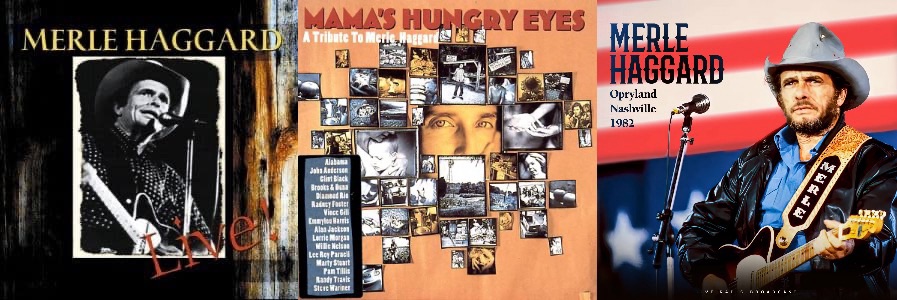
Haggard was born in Oildale, California, in 1937 to parents, James and Flossie Mae who had moved there after a fire destroyed their farm in Checotah, Oklahoma. They had originally settled in nearby Bakersfield where James was working for the Santa Fe Railroad when a woman allowed him to convert an old boxcar into a home in Oildale where Merle was then born.
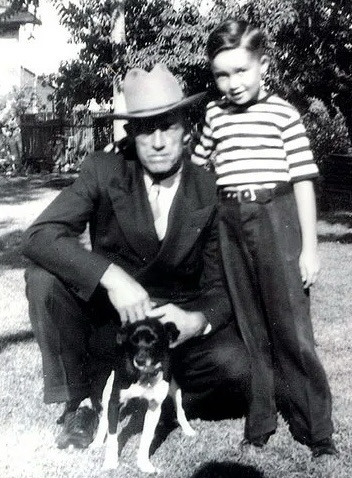
Merle taught himself to play on a guitar his older brother Lowell gave him by by listening to Bob Wills, Hank Williams and Lefty Frizzell records. When Merle’s father James died of a brain hemorrhage, his mother took a job as a bookkeeper, which lead to Merle getting into trouble while she was at work.
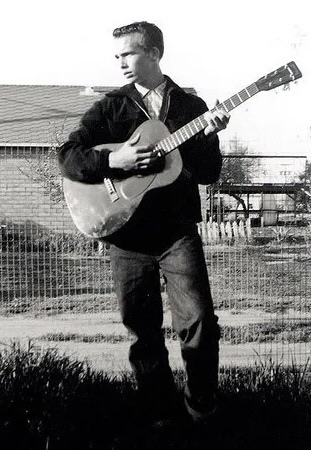
Merle spent the majority of his teenage years in-and-out of various juvenile detention centers for crimes like shoplifting, truancy, petty larceny, and writing bad checks. Eventually, in February of 1958, he was sentenced to San Quintin Prison after being caught attempting to escape the Bakersfield jail where he was being held for robbing a roadhouse.
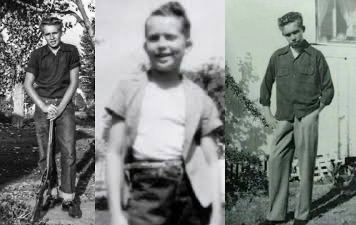
Merle Haggard was 20 years old and his approaching 21st birthday is what lead to the lyrics of his fifth number-one hit song from 1968 entitled, “Mama Tried” that’s chorus states:
“I turned 21 in prison,
Doin’ life without parole.
No one could turn me right but
mama tried, mama tried,
Mama tried to raise me better,
but her pleading I denied.
That leaves only me to blame ‘
cause mama tried.”
In reality, Merle did turn 21 during his stay at San Quintin but he wasn’t doing life without parole. He did meet other inmates there who were facing much worse sentences than his and had befriended a death row inmate that he met during his time in solitary confinement.
These other inmate’s predicaments influenced Merle to turn his life around by holding a steady job in the prison, getting his high school equivalency diploma, and singing in the prison band. In 1960, he attended a Johnny Cash concert at the prison, which had a profound influence on Haggard who, upon his release in 1960, set out to forge a career as a singer-songwriter.
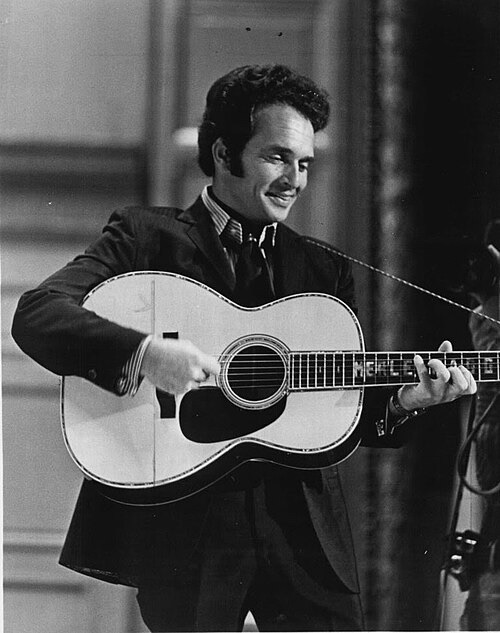
Having overcame a troubled childhood, criminal convictions and time in prison to launch a successful country music career, Haggard gained popularity with his songs about the working class; which occasionally contained themes contrary to the anti–Vietnam War sentiment of some popular music of the time.
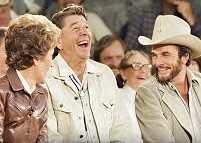
In 1972, after Haggard had become a country music star, then-California Governor Ronald Reagan granted him a full and unconditional pardon for his past crimes.
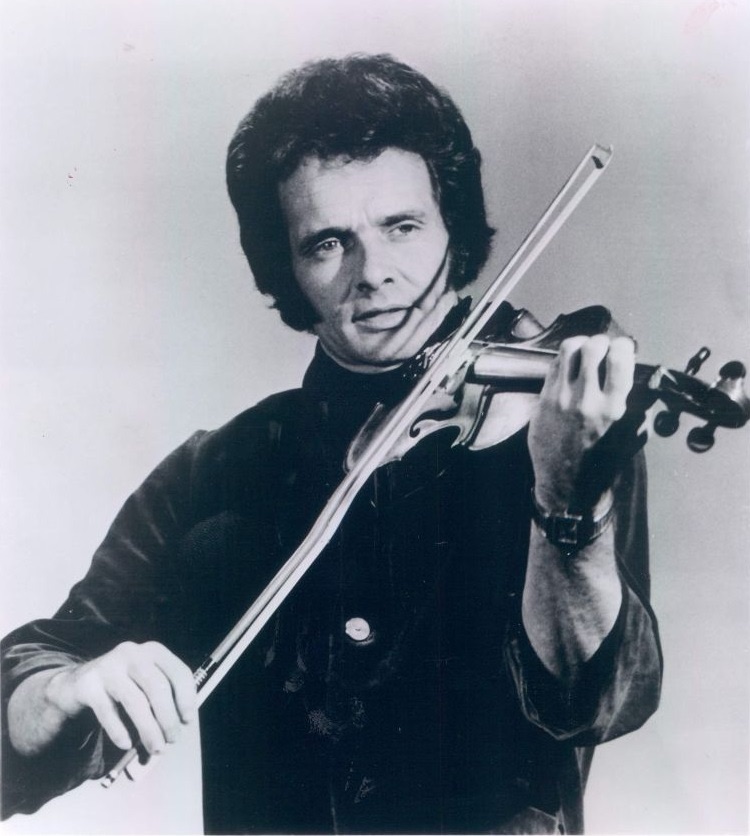
By that time Merle had become a part of the Bakersfield sound, rivaling the more polished Nashville sound and released numerous hits like, Wynn Stuart’s, “Sing a Sad Song”, and “(My Friends Are Gonna Be) Strangers” and “I’m a Lonesome Fugitive”, both by Liz Anderson. Merle had also formed his legendary band, The Strangers and added their name to his when recording hits like, “The Legend of Bonnie & Clyde”, “Branded Man”, and, “Sing Me Back Home”.
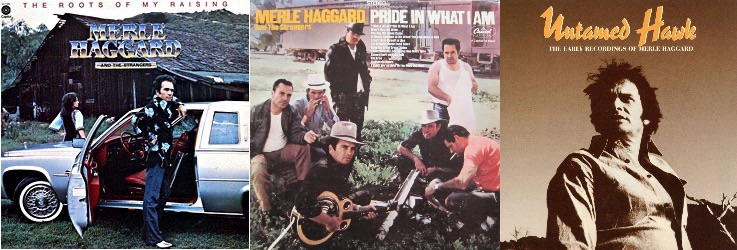
Merle Haggard and the Strangers had also churned out some of Merle’s time withstanding hits like, “Mama Tried”, and “Hungry Eyes”, as well as his signature song, “Okie from Muskogee” along with the anti-counterculture classic, “The Fightin’ Side of Me”.
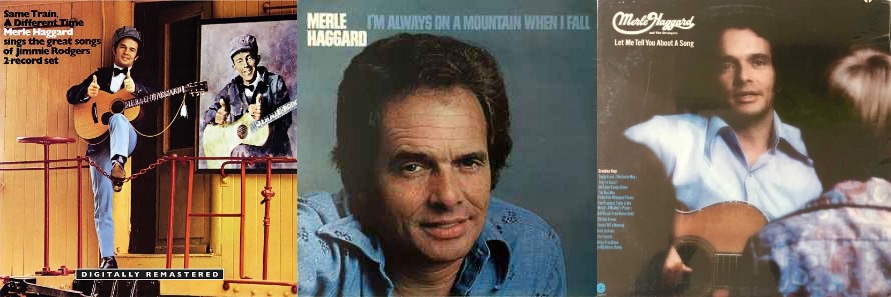
Haggard’s had also recorded a tribute LP “Same Train, Different Time: A Tribute to Jimmie Rodgers”, which was also released to acclaim and as an accomplished fiddle player himself, he released, “A Tribute to the Best Damn Fiddle Player in the World”, dedicated to Bob Wills.
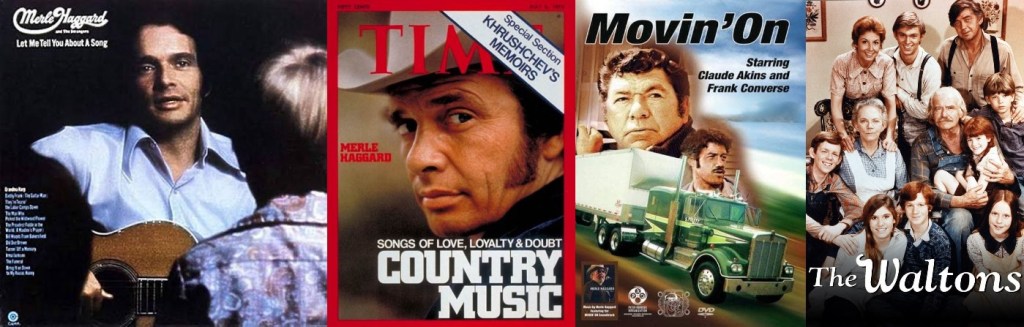
By this point, Haggard was one of the most famous country singers in the world and went on to record a TV Special, “Let Me Tell You About a Song”, wrote and performed the theme song to the television series “Movin’ On”, starred on an episode of, “The Waltons, was featured on the cover of, “Time” magazine, and scored a cross-over hit with his depression era Christmas anthem, “If We Make It Through December”. Merle Haggard had accumulated 33 number-one singles with Capital Records between 1966 and 1976.
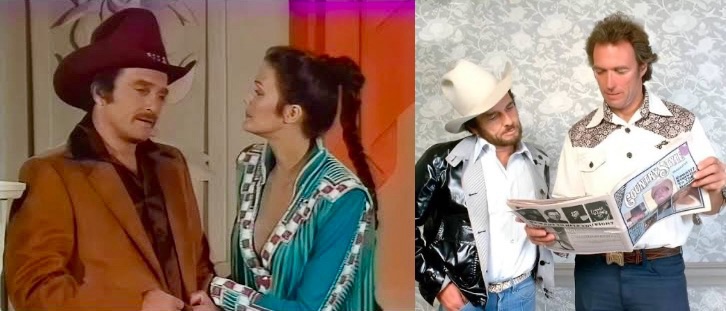
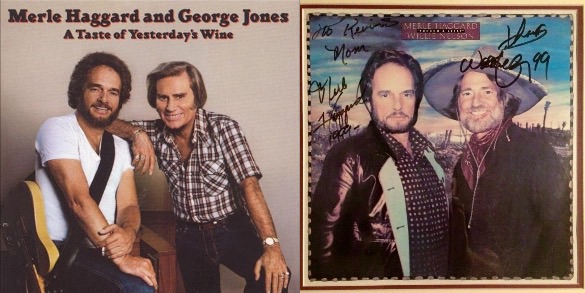
After switching to MCA Records, Haggard recorded a duet, “What’s A Little Love Between Friends” with TV’s Linda Carter, and scored another number-one with a Clint Eastwood duet, “Bar Room Buddies from the movie soundtrack to, “Bronco Billy”. He also recorded entire duet albums with both Willie Nelson and George Jones, topping the charts with, “Pancho & Lefty” with Nelson and “Yesterday’s Wine” with Jones. Merle and Willie would go on to record a total of six duet albums together over the course of their careers, the last being, “Django and Jimmie” in 2015. Haggard scored another 9 number-one hits during his time with MCA in the 1980s.
This is when I was first introduced to Merle Haggard’s music as a kid. The first time I heard, “Are the Good Times Really Over (I Wish a Buck Was Still Silver)” while riding shotgun in my Grandpa’s pickup truck, I was an instant fan. I was drawn to his unique voice and deep vocal tones as he sang the lyrics that I believe are just as relevant today as they were in 1982:
“And are we rolling downhill like a snowball headed for hell,
With no kinda chance for the flag or the liberty bell?
Wish a Ford and a Chevy,
Would still last ten years like they should.
Is the best of the free life behind us now,
And are the good times really over for good?”
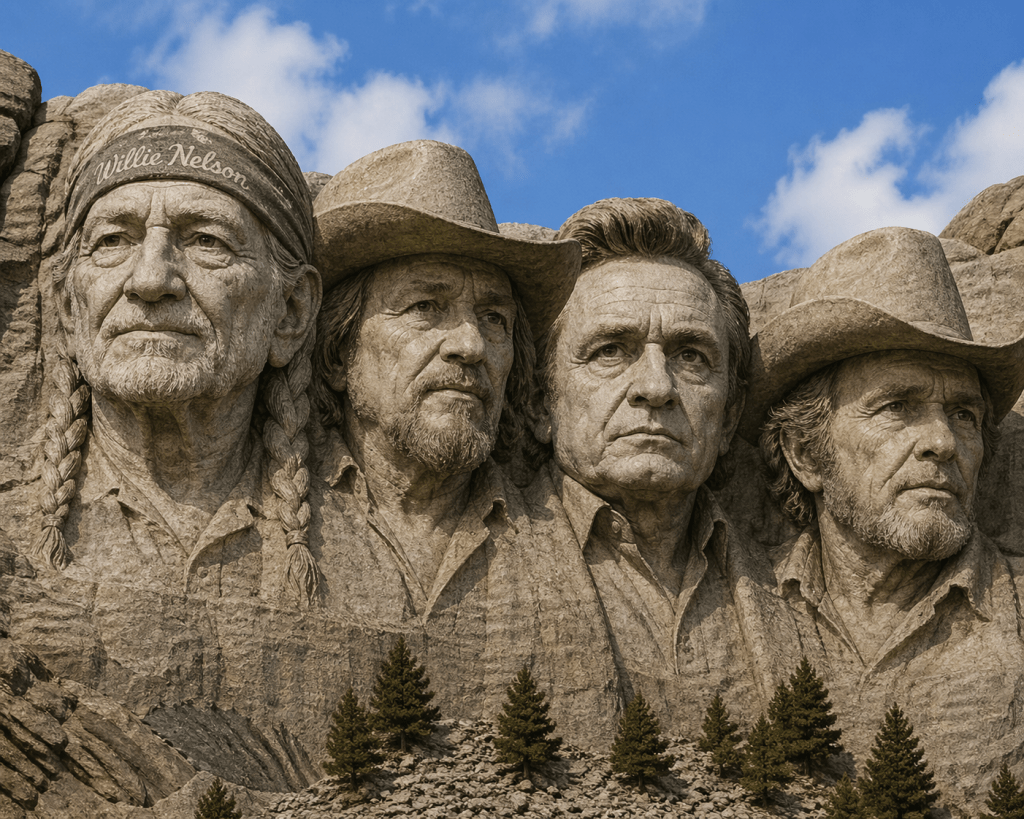
I learned at an early age that Merle Haggard was truly the poet of the common man and his songs were some of the most important and influential in the history of country music. Suffice to say he’s earned his position on my “Mt. Rushmore of Country Music Icons” which puts him in the company of Willie Nelson, Waylon Jennings, and Johnny Cash.
Ironically, not all country music legends had a great relationship with Haggard. He and Waylon Jennings had a falling out early in both their careers when Waylon in particular was at a low point having lost a bandmate in a car accident and struggling with addiction issues. Haggard defeated Jennings in a poker game, taking several thousand dollars in winnings. Jennings felt that Haggard had taken advantage of him and their relationship never recovered.
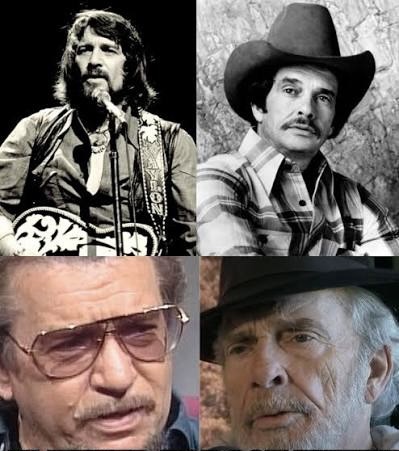
Additionally, although they were both considered to be the first and second leg of what would become the Bakersfield sound, Haggard and Buck Owens also had a nearly 40 year falling out. Haggard briefly played bass for Buck Owens in the early 1960s and even coined the name, “The Buckaroos” for Owens’ band.
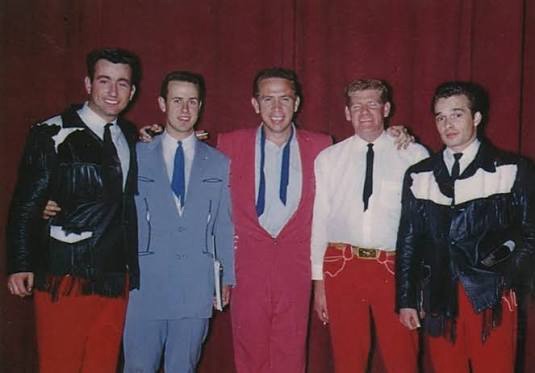
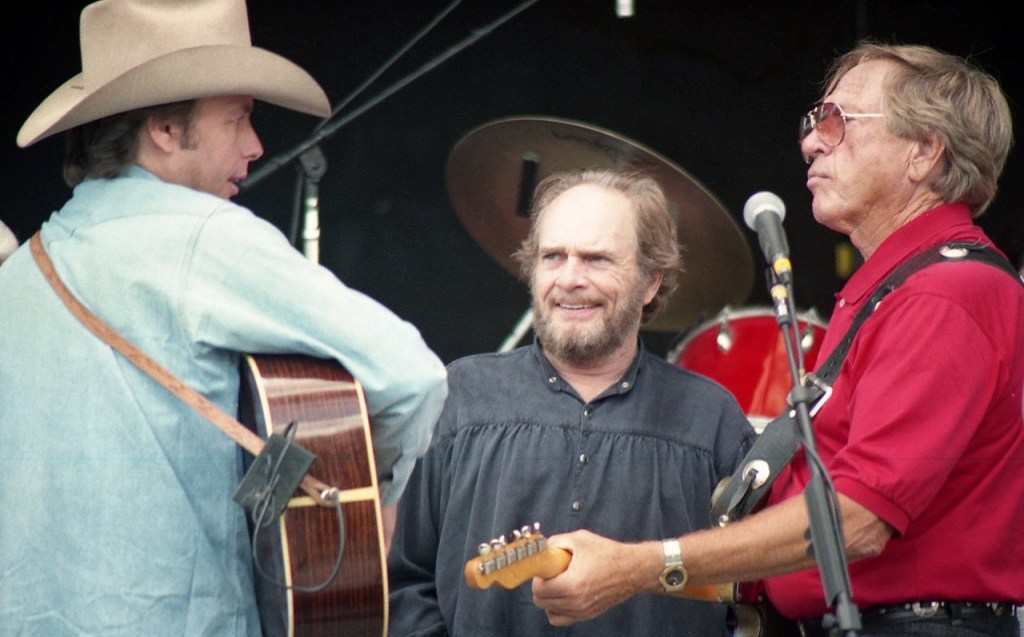
Later, a feud stemmed between them from Haggard marrying Buck’s former wife, Bonnie. Haggard also envied Buck’s business success, while Buck envied Haggard’s critical acclaim. Despite the tension, the two deeply respected one another and in 1995, the they reunited for a major “Country Music Super Summit” in Bakersfield with Dwight Yoakam, bridging their long professional gap.
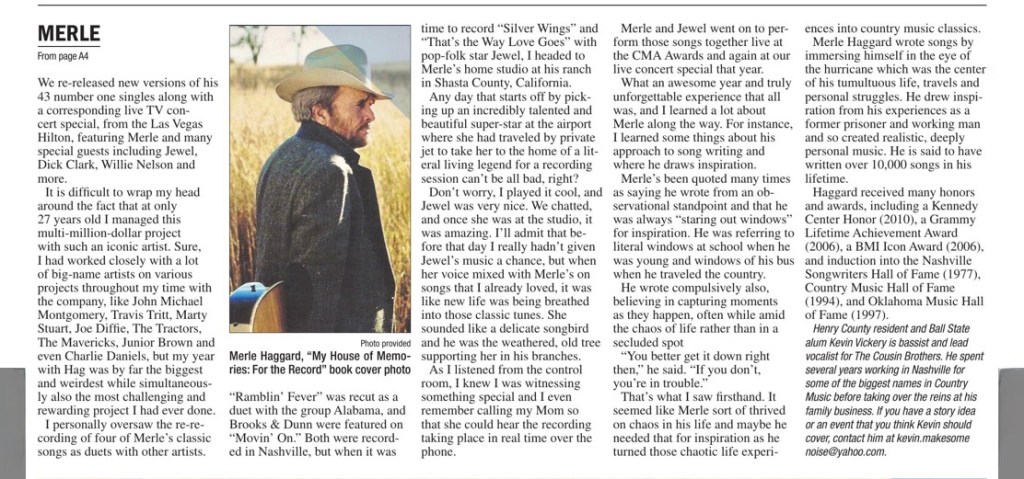
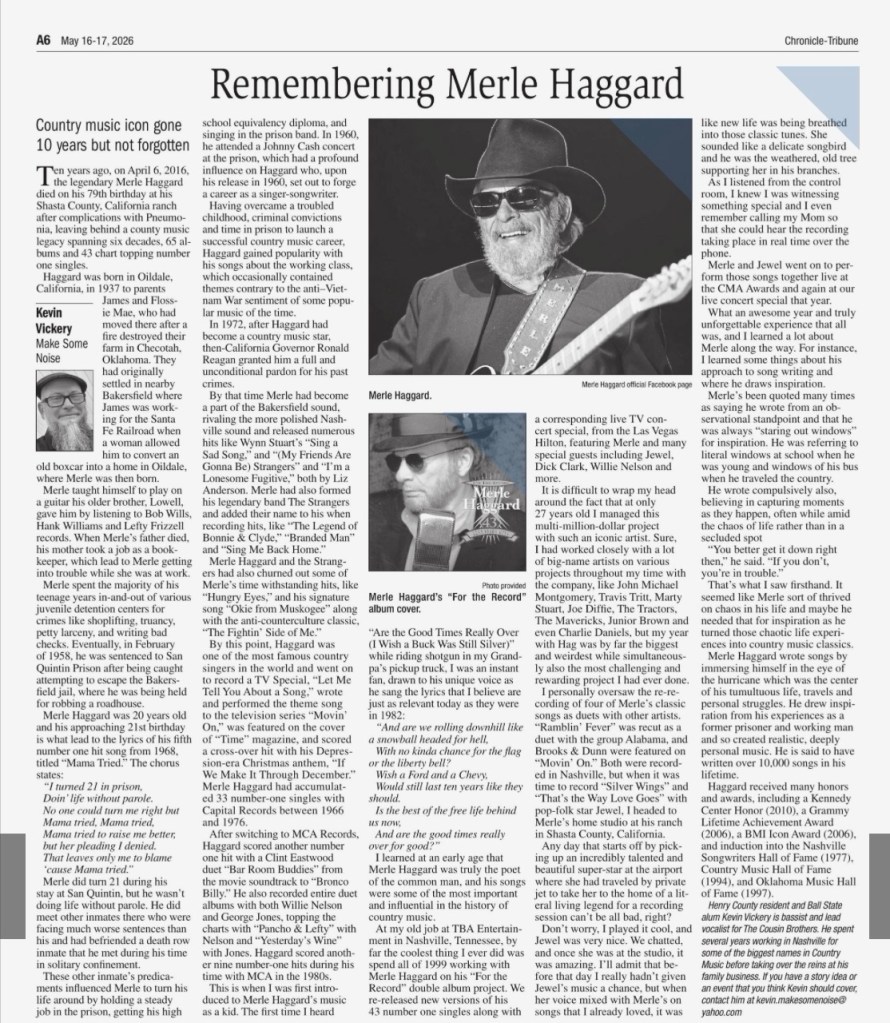
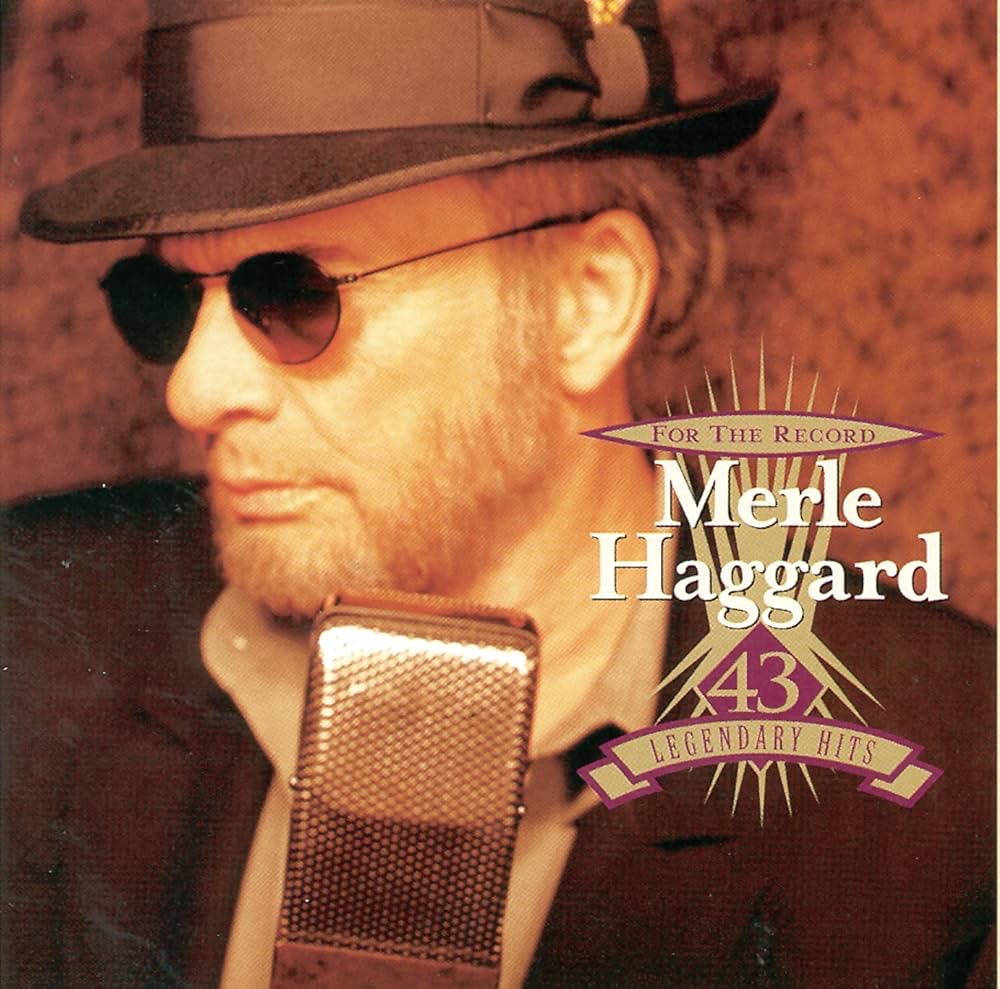
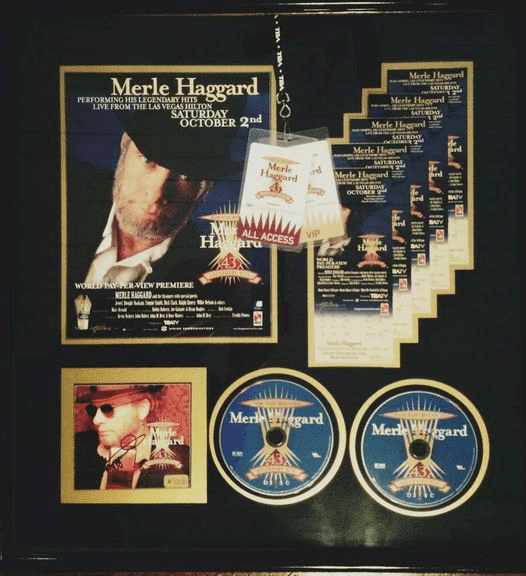
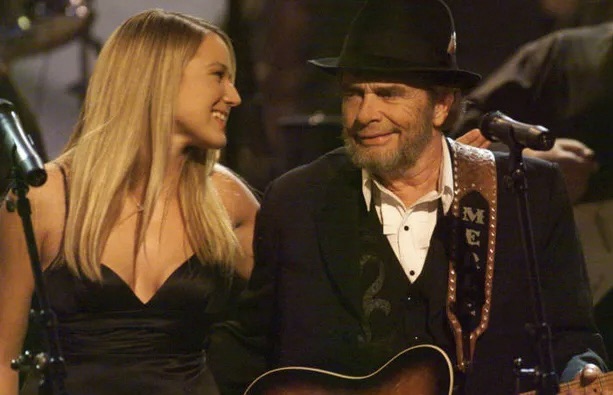
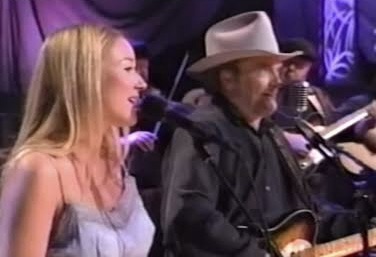
At my old job at TBA Entertainment in Nashville, TN, by far the coolest thing I ever did was spend the year of 1999 working with Merle Haggard on his, “For the Record” double album project. We re-released new versions of his 43 number one singles along with a corresponding live TV concert special, from the Las Vegas Hilton, featuring Merle and many special guests including Jewel, Dick Clark, Willie Nelson and more.
It is difficult to wrap my head around the fact that it was 27 years ago. Even harder to believe is that at only 27 years old I was put in charge of this multi-million dollar project with such an iconic artist. Sure, I had worked closely with a lot of big-name artists on various projects throughout my time with the company like, John Michael Montgomery, Travis Tritt, Marty Stuart, Joe Diffie, The Tractors, The Mavericks, Junior Brown and even Charlie Daniels but my year with Hag was by far the biggest and weirdest while simultaneously also the most challenging and rewarding project I had ever done.
I personally oversaw the re-recording of four of Merle’s classic songs as duets with other artists. “Ramblin’ Fever” was recut as a duet with the group, Alabama, and Brooks & Dunn were featured on, “Movin’ On”. Both of those were done at a recoding studio in Nashville. When it was time to record, “Silver Wings” and “That’s the Way Love Goes” with pop-folk star, Jewel, I headed to Merle’s home studio at his ranch in Shasta County, CA.
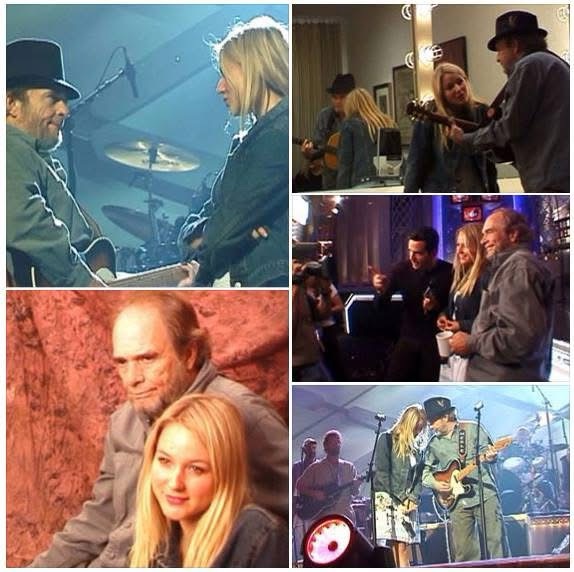
Any day that starts off by picking up an incredibly talented and beautiful super-star at the airport where she had traveled by private jet to take her to the home of a literal living legend for a recording session can’t be all bad, right?
Don’t worry, I played it cool and she was very nice. We chatted and once she was at the studio it was amazing. I’ll admit that before that day I really hadn’t given her music a chance but when her voice mixed with Merle’s on songs that I already loved, it was like new life was being breathed into those classic tunes. She sounded like a delicate song-bird and he was the weathered, old tree supporting her in his branches.
As I listened from the control room, I knew I was witnessing something special and I even remember calling my Mom so that she could hear the recording taking place in real time over the phone.
Merle and Jewel went on to perform those songs together live at the CMA Awards and again at our live concert special that year.
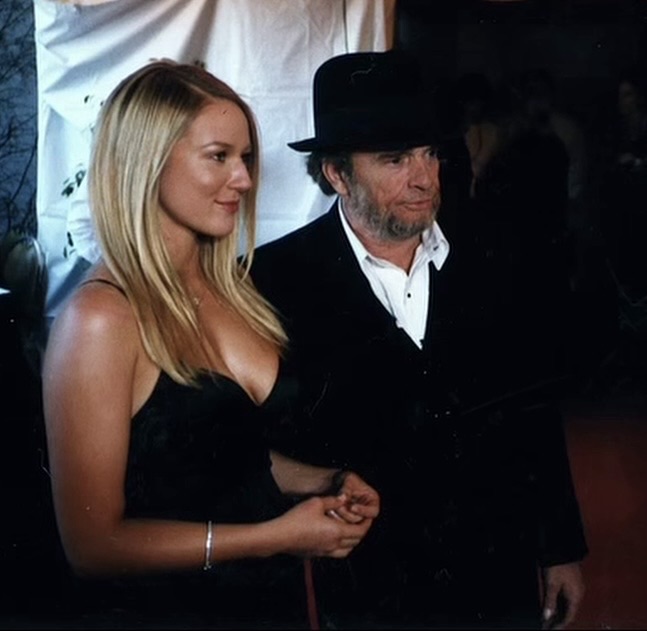
What an awesome year and truly unforgettable experience that all was, and I learned a lot about Merle along the way. For instance, I learned some things about his approach to song writing and where he draws inspiration.
Merle would tell you and he’s been quoted many times as saying he wrote from an observational standpoint and that he was always, “starring out windows” for inspiration, He was referring to literal windows at school when he was young at windows of his bus when he traveled the country.
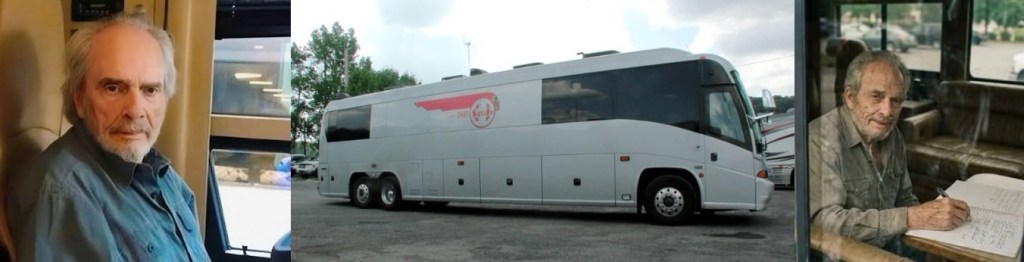
He wrote compulsively also believing in capturing moments as they happen, often while amidst the chaos of life rather than in a secluded spot, stating, “You better get it down right then – if you don’t, you’re in trouble”. That’s what I saw firsthand. It seemed like Merle sort of thrived on chaos in his life and maybe he needed that for inspiration as he turned those chaotic life experiences into country music classics.
Merle Haggard wrote songs by immersing himself in the eye of the hurricane which was the center of his tumultuous life, travels, and personal struggles. He drew inspiration from his experiences as a former prisoner and working man, and so created realistic, deeply personal music. He is said to have written over 10,000 songs in his lifetime.
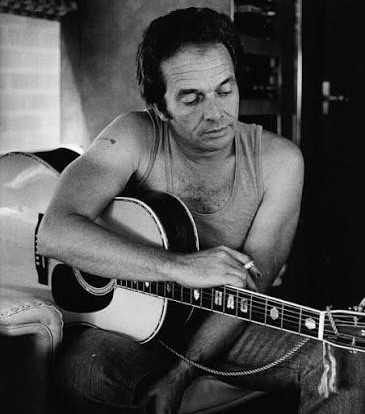
I believe he created chaos (or what we would call drama) in his personal life just so he could sit in the center of the storm, observing as it all spun around and pull out details for inspiration.
A small example of that intentional chaos was how Merle handled his merchandising on the road. If you’ve ever been to a concert, you know there are multiple locations throughout the venue all selling the same items for the artist. I’ve literally never seen it done any other way except in The Haggard camp. He had two completely different vendors (both of which were his friends) competing with each other, selling different items in different locations in the venue when he performed. This created constant bickering between the two about who was making more money and why. I had to cut two separate deals to have our, “For the Record” merchandise sold at both locations. It was a nightmare and one or the other was constantly complaining to Merle about it while he just let it all happen around him, smiling from the center of the storm.
Worse yet was the chaos created every time he and Jewel were to be together for a performance. The two artists genuinely got along well and sounded great together but of course they both had their handlers, particularly Merle whose wife had a bit of a jealous side and didn’t want him in Jewel’s presence. This too created chaos in his life that he just shrugged off.
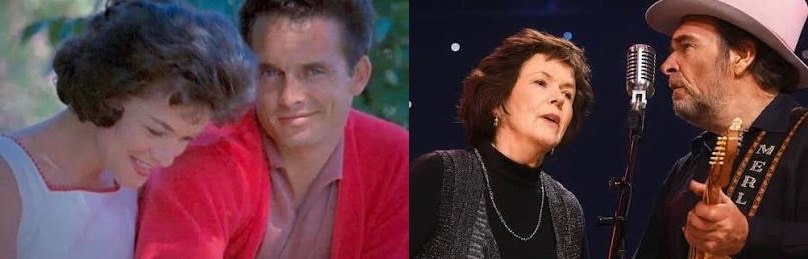
He didn’t make matters any easier on himself by featuring his ex-wife, Bonnie Owens as a backup vocalist in his band. As I mentioned earlier, this not only was a factor in Merle’s long rift with Bonnie’s ex-husband, Buck Owens, but it also didn’t make things any easier with his current wife. Again, Merle just stayed unbothered, observing from the storm’s eye.
The best example that I experienced first hand of his desired dissonance happened a few days before the big concert special in Las Vegas. I had already been on-site at the Hilton for over a week, finalizing all the details, coordinating schedules of the various guest artists and overseeing the stage & set production from my suite that doubled as a production office.
The room phone rang and when I answered it, the conversation went exactly as follows:
Me: “Hello”
Hag: “Vick?” (Because that’s what people called me).
Me: “Yes”
Hag: “This is Hag.” (Because that’s what people called him).
Me: “Yes sir… What can I do for you today?”
Hag: “I wanna know how things are going out there?”
Me: “Things are going great, Hag – We’re into the final details now – I tracked down the vintage style microphone you requested and the star-curtain (a last minute request he made that was ridiculously expensive and nearly impossible to find) is being hung and tested as we speak. Then I made the mistake of saying:
“All-in all, Hag, I’d say things are going smoothly.”
With that, in a calm, low voice, Hag said,
“Well, then By-God you wait till I (explicative) get out there.
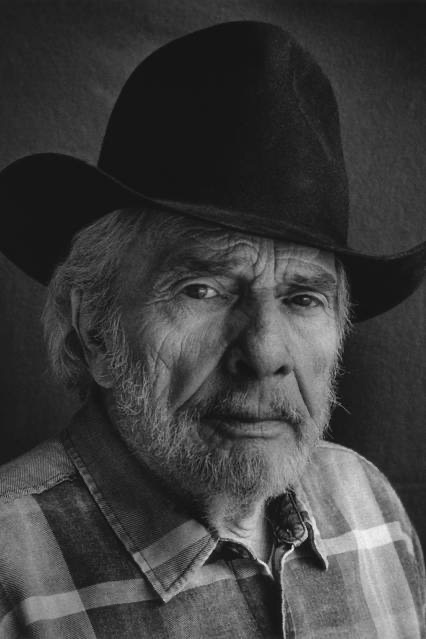
With that, he hung up the phone and I spent the next two days stressing about what he was going to find wrong with our work and had nightmares about him chewing me out in front of our whole team.
When he arrived, he did nothing of the sort. He was a little grouchy from traveling but once he saw his bandmates, and started rehearsing with them it was smooth sailing. He didn’t even notice the star curtain so I intentionally pointed it out to him after rehearsal and he didn’t care in the least. I don’t think he even remembered requesting it. It was just his way of stirring things up and keeping everyone on their toes by creating tension and disruption for his own amusement.
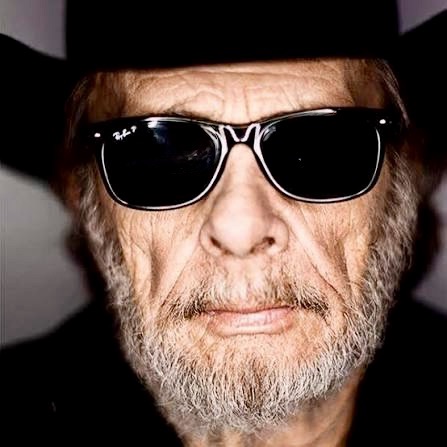
The best Merle Haggard story I know isn’t one of my own. It was told to me shortly after it happened and has since been printed in various outlets.
On February 6, 2016, in Las Vegas, Hag was suffering from severe pneumonia and struggling to breathe. He should have canceled his show but was determined to perform that night at the Mandalay Bay in order to pay his band and crew.
Country-Star, proud Okie, and lifelong Hag fan, Tony Keith was also in town and stopped by to visit Merle before the show. Merle feeling frail asked him, “How many of my songs do you know?” Keith replied, “All of ’em”.
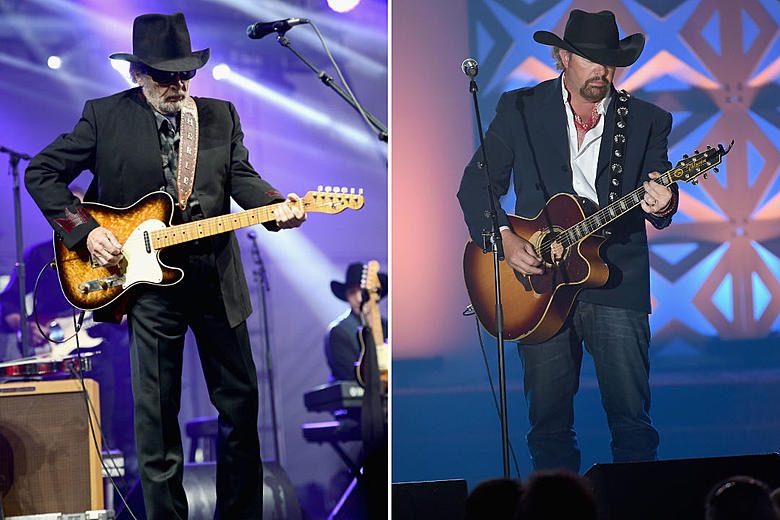
With that in mind, after performing about eight songs, Hag could no longer continue and called Keith to the stage to finish the concert.
Merle, his band and crew all got paid because Toby Keith refused to let his friend go down and helped him retain his dignity on stage. This was one of Haggard’s last performances before his death at his ranch 10 years ago on his 79th birthday, April 6, 2016.
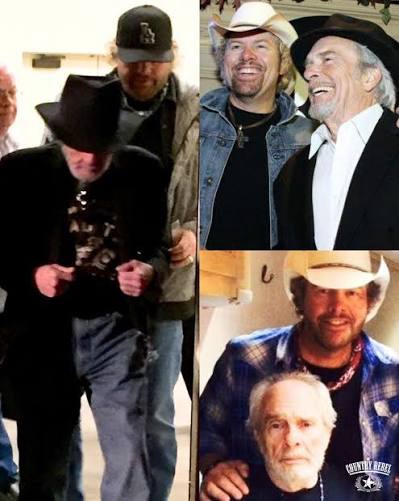
I have quite a few other stories from my year with Haggard, but most of those are better left unprinted and told on a barstool.
Just after Merle’s passing, my band, The Cousin Brothers was asked to participate in a special Merle Haggard tribute concert held at Radio Radio in Indianapolis with Coot Crabtree and Stockwell Road. We were honored to participate and Haggard classics like, “Mama Tried”, “Ramblin’ Fever” and “Workin’ Man Blues” remain on our set list to this day.
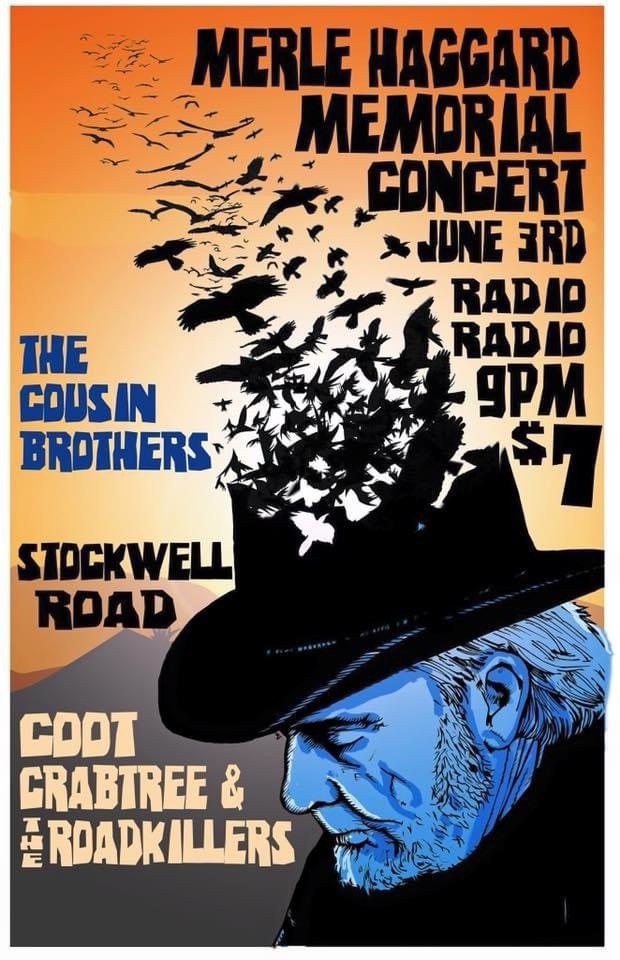
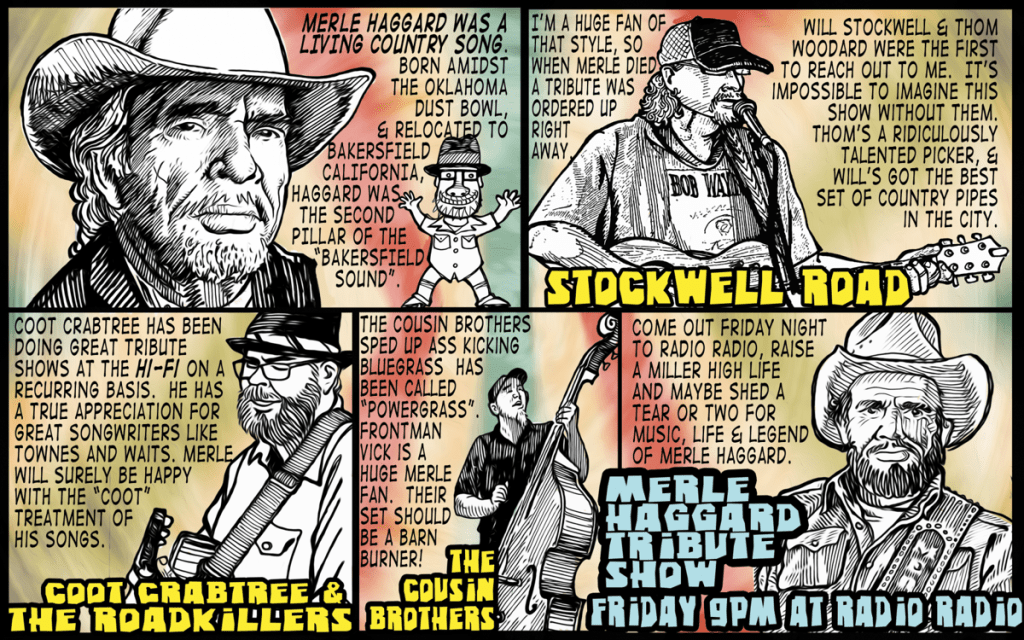
Merle Haggard left behind a wife and six children including Marty, Noel, and Ben who all had stints performing as part of Merle’s band, The Strangers.
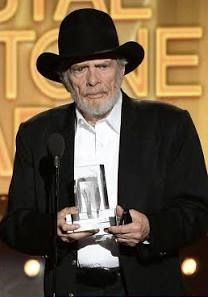
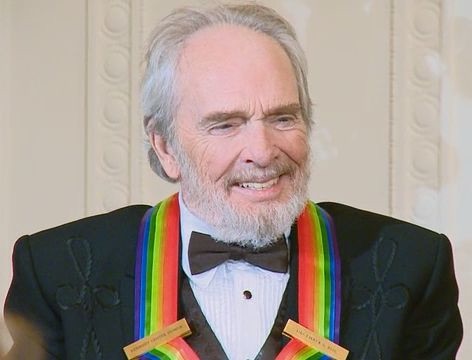
Haggard received many honors and awards, including a Kennedy Center Honor (2010), a Grammy Lifetime Achievement Award (2006), a BMI Icon Award (2006), and induction into the Nashville Songwriters Hall of Fame (1977), Country Music Hall of Fame (1994), and Oklahoma Music Hall of Fame (1997).
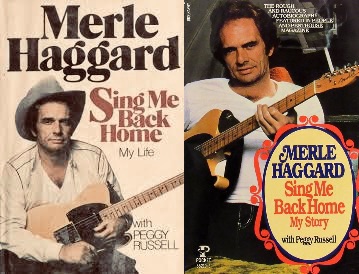
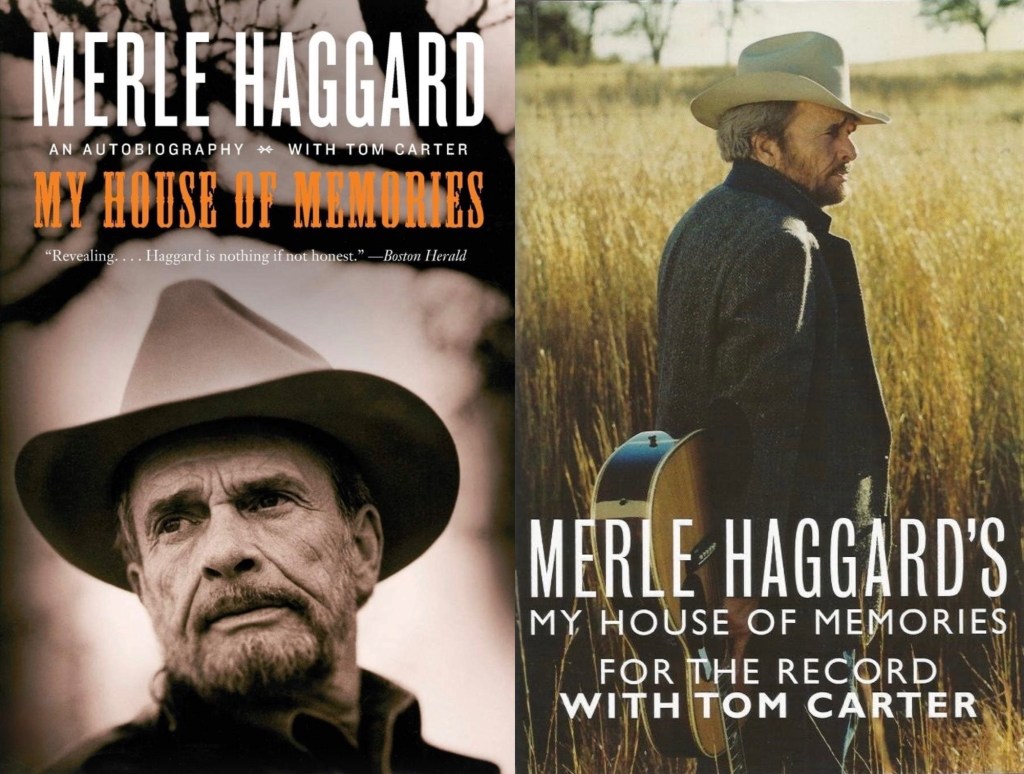
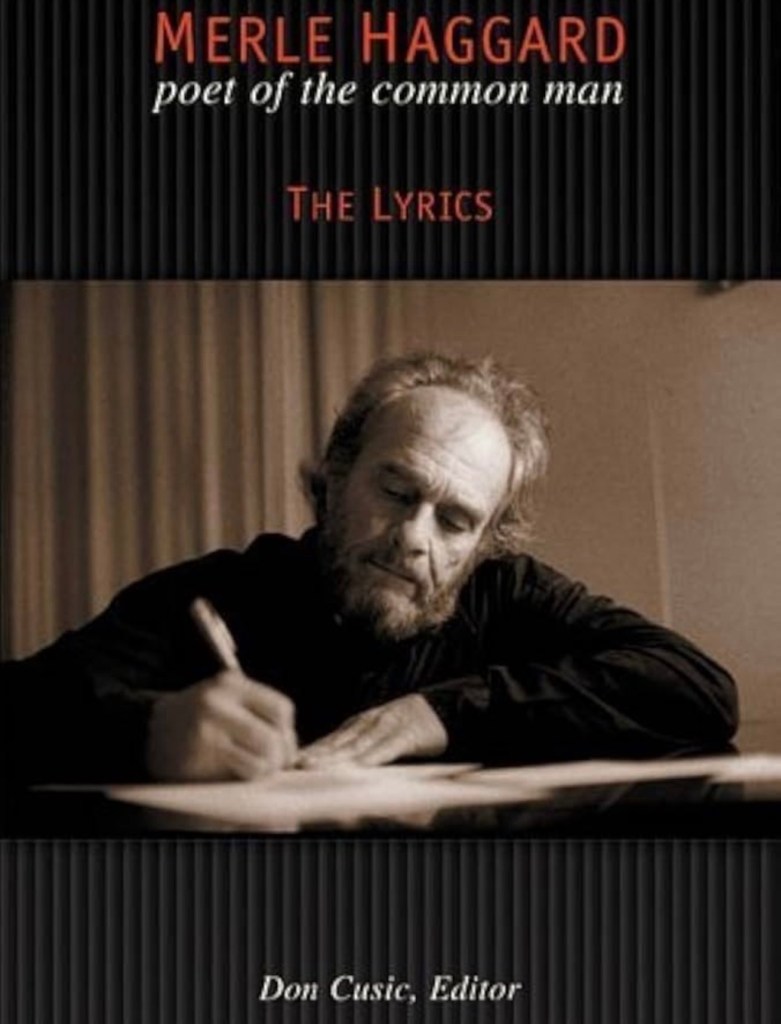
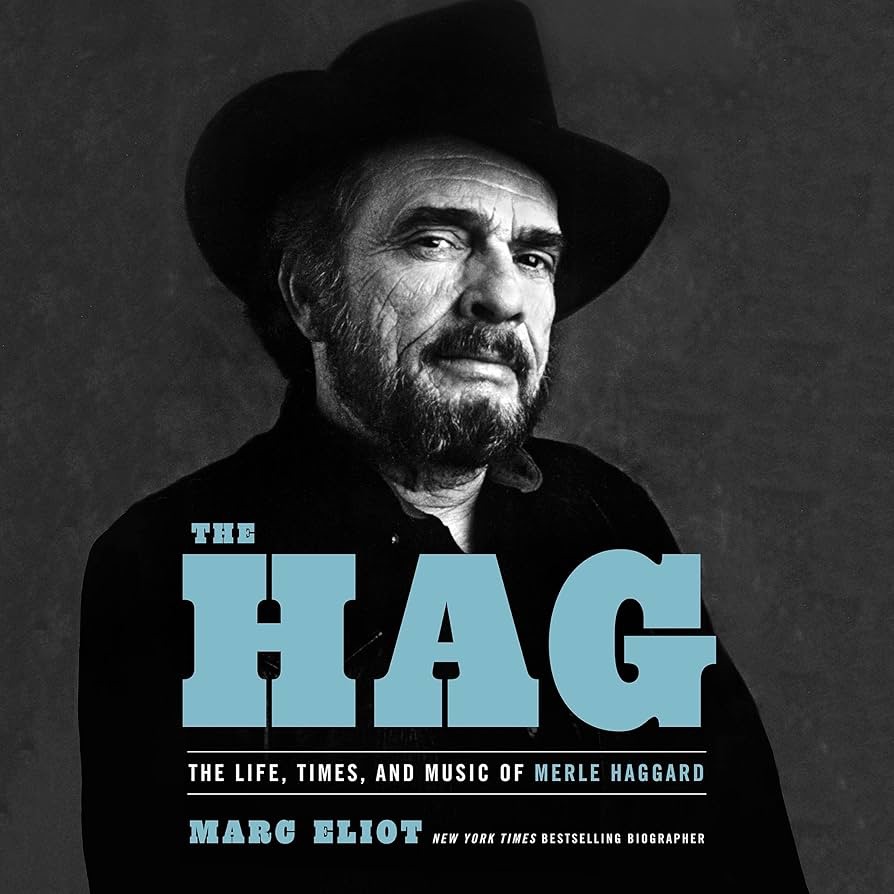
To dive deeper into the legendary Merle Haggard’s personal life, music and career more details can be found in the following books: