An 80-Year Print Legacy: Why “Highlights Magazine” Still Captures Childhood Imagination
Make Some Noise
By Kevin Vickery
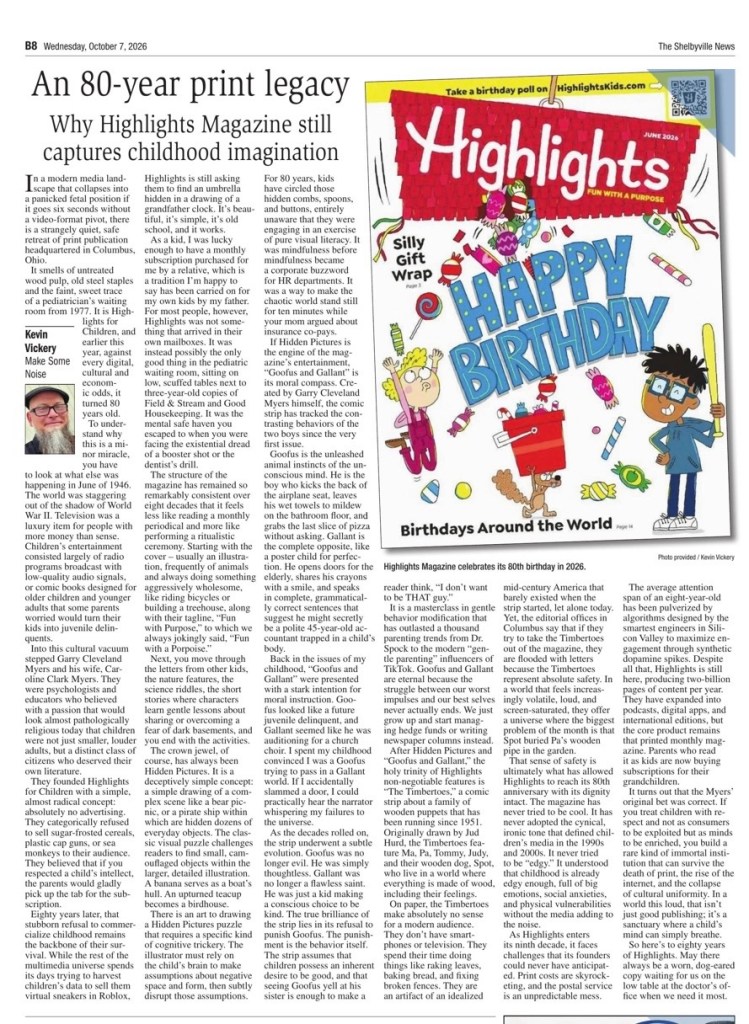
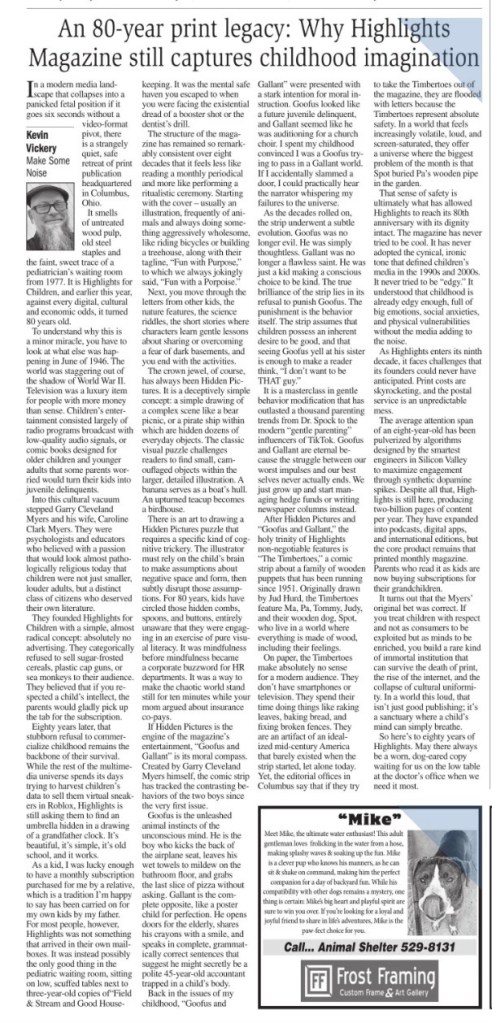
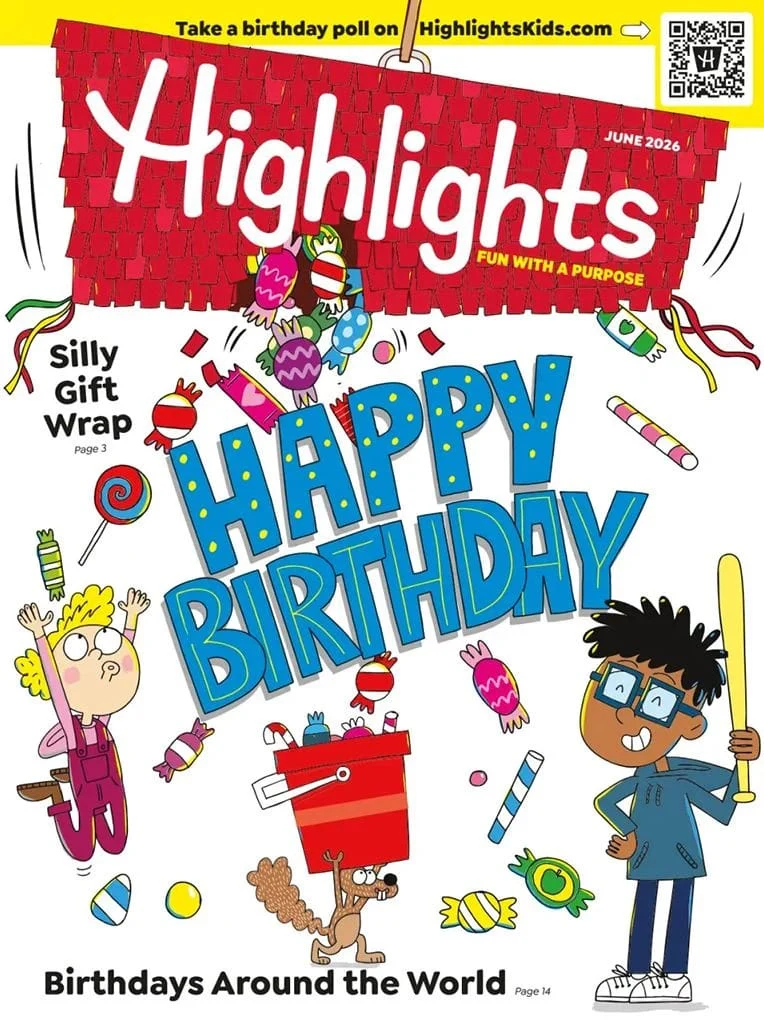
In a modern media landscape that collapses into a panicked fetal position if it goes six seconds without a video format pivot, there is a strangely quiet, safe retreat of print publication headquartered in Columbus, Ohio. It smells of untreated wood pulp, old steel staples, and the faint, sweet trace of a pediatrician’s waiting room from 1977. It is “Highlights for Children”, and earlier this year, against every digital, cultural, and economic odd, it turned 80 years old.
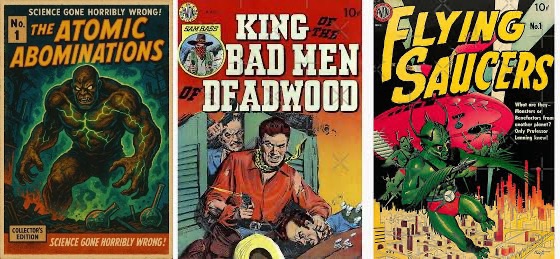
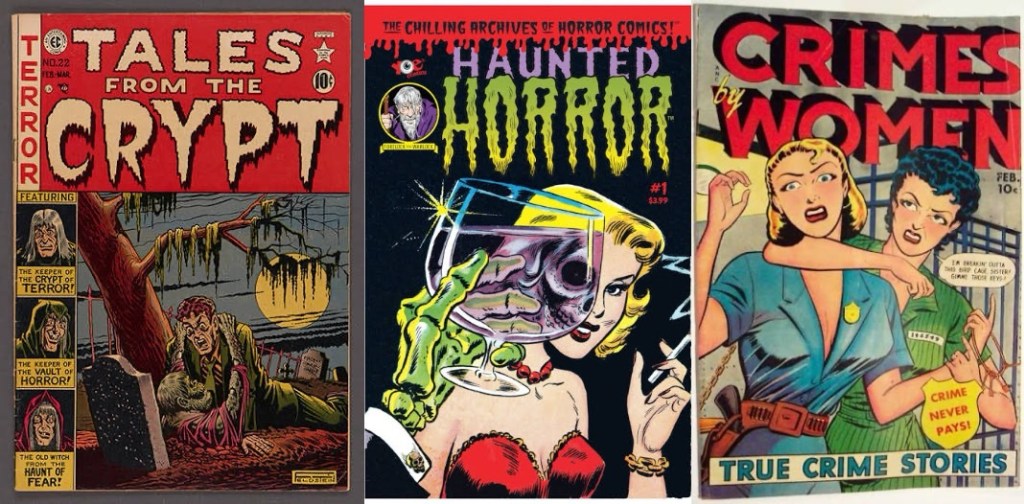
To understand why this is a minor miracle, you have to look at what else was happening in June of 1946. The world was staggering out of the catastrophic shadow of World War II. The television was a luxury item for people with more money than sense. Children’s entertainment consisted largely of radio programs broadcast with low quality audio signal, or comic books designed for older children and younger adults that some parents worried would turn their kids into juvenile delinquents.
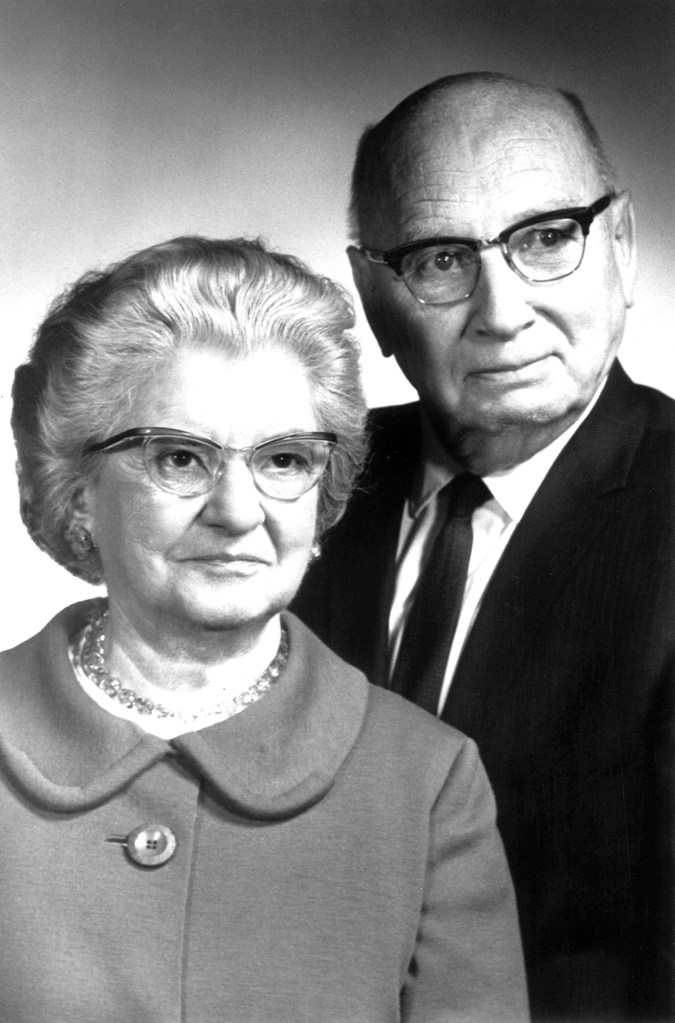
Into this cultural vacuum stepped Garry Cleveland Myers and his wife, Caroline Clark Myers. They were psychologists and educators who believed with a passion that would look almost pathologically religious today, that children were not just smaller, louder adults, but a distinct class of citizens who deserved their own literature.
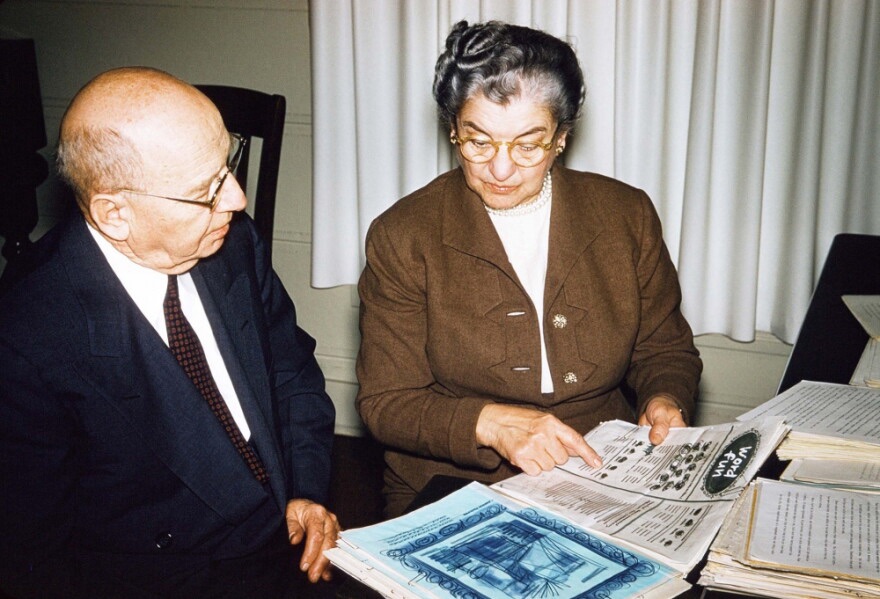
They founded “Highlights for Children” with a simple, almost radical concept: absolutely no advertising. They categorically refused to sell sugar-frosted cereals, plastic cap guns, or sea monkeys to their audience. They believed that if you respected a child’s intellect, the parents would gladly pick up the tab for the subscription.
Eighty years later, that stubborn refusal to commercialize childhood remains the backbone of their survival. While the rest of the multi-media universe spends its days trying to harvest children’s data to sell them virtual sneakers in Roblox, “Highlights” is still asking them to find an umbrella hidden in a drawing of a grandfather clock. It’s beautiful, it’s stubborn, it’s old school and it works.
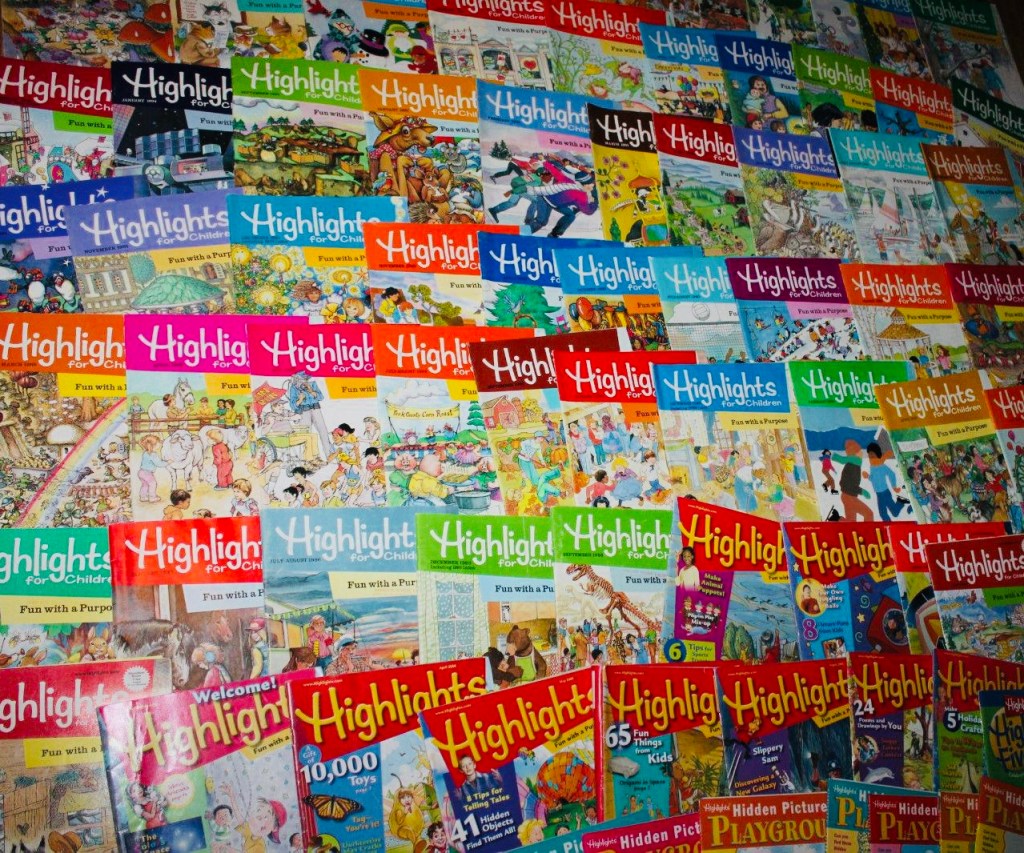
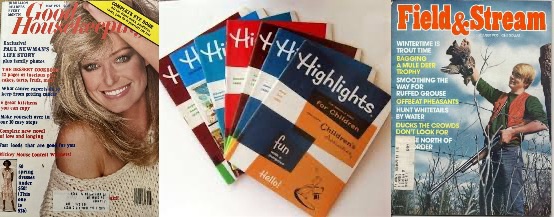
As a kid, I was lucky enough to have a monthly subscription purchased for me by a relative which is a tradition I’m happy to say has been carried on for my own kids by my father. For most people however, “Highlights” was not something that arrived in their own mailboxes. It was instead possibly the only good thing in the pediatric waiting room, sitting on low, scuffed tables next to three-year-old copies of “Field & Stream” and “Good Housekeeping”. It was the mental safe haven you escaped to when you were facing the existential dread of a booster shot or the dentist’s drill.
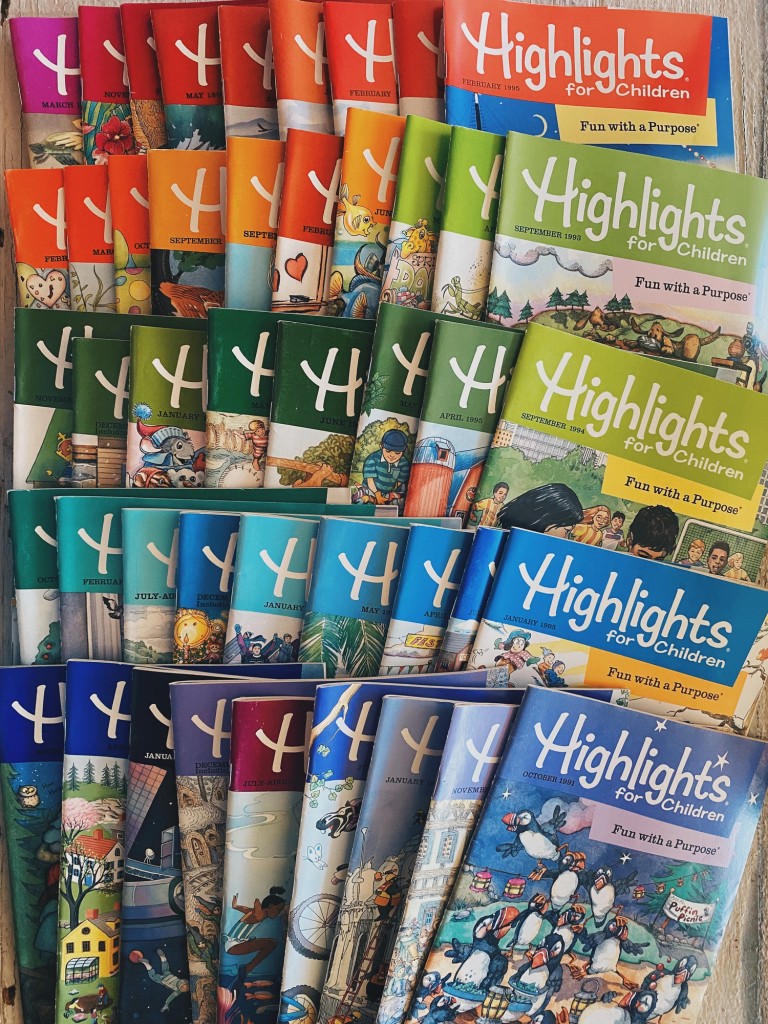
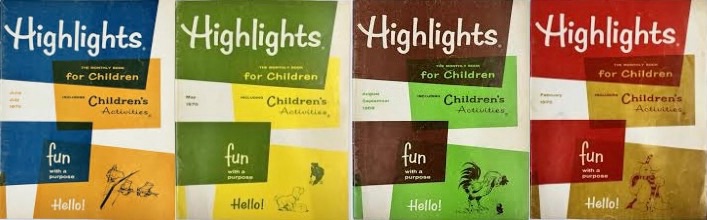
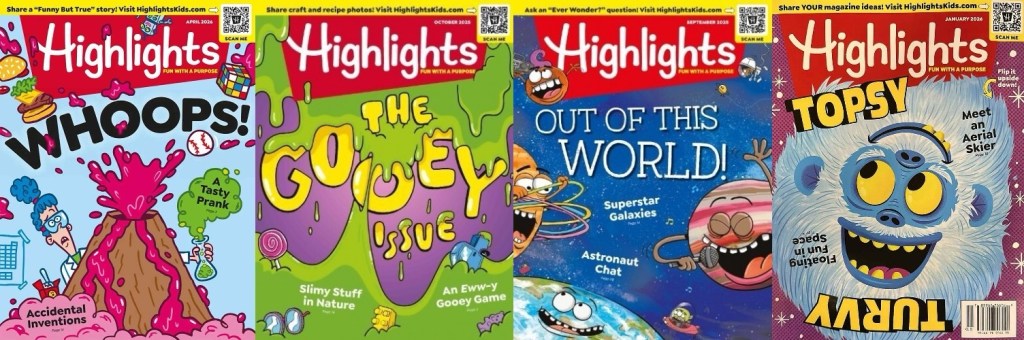
The structure of the magazine has remained so remarkably consistent over eight decades that it feels less like reading a monthly periodical and more like performing a ritualistic ceremony. Starting with the cover—usually an illustration, frequently of animals and always doing something aggressively wholesome, like riding bicycles or building a treehouse, along with their tag line, “Fun with a Purpose” (to which we always jokingly said, “Fun with a Porpoise”).
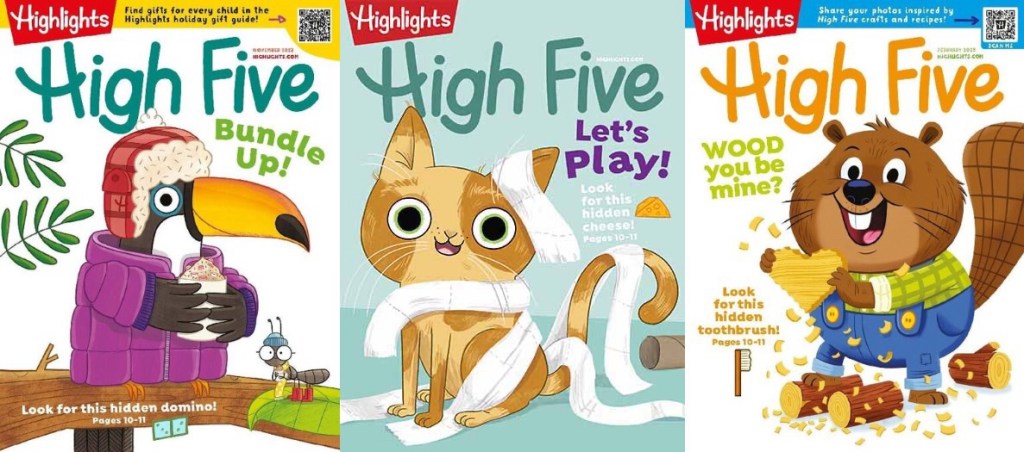
Next you move through the letters from other kids, the nature features, the science riddles, the short stories where characters learn gentle lessons about sharing or overcoming a fear of dark basements, and you end with the activities.
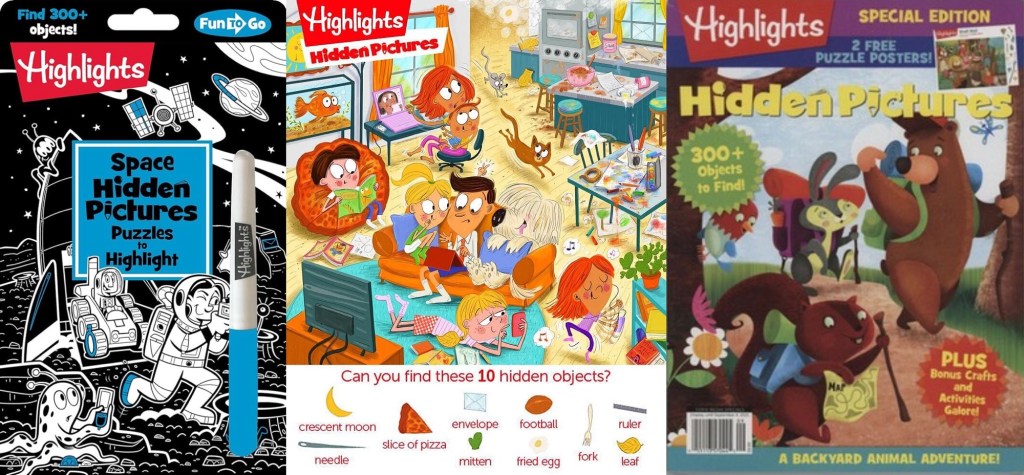
The crown jewel, of course, has always been “Hidden Pictures”. It is a deceptively simple concept: a simple drawing of a complex scene like a bear picnic, outer space or a pirate ship within which are hidden dozens of everyday objects. The classic visual puzzle challenges readers to find small, camouflaged objects hidden within the larger, detailed illustration. A banana serves as a boat’s hull. An upturned teacup becomes a birdhouse.
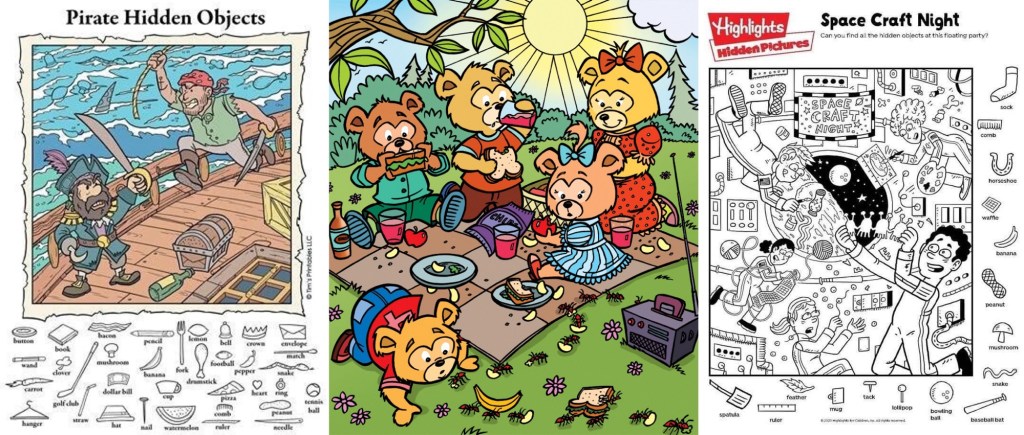
There is an art to drawing a Hidden Pictures puzzle that borders on the architectural. It requires a specific kind of cognitive trickery. The illustrator must rely on the child’s brain to make assumptions about negative space and form, then subtly disrupt those assumptions. For eighty years, kids have sat with stubby pencils or crayons, circling those hidden combs, spoons, and buttons, entirely unaware that they were engaging in an exercise of pure visual literacy. It was mindfulness before mindfulness became a corporate buzzword for HR departments. It was a way to make the chaotic world stand still for ten minutes while your mom argued with the receptionist about insurance co-pays.
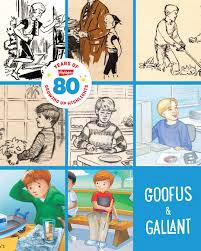
If Hidden Pictures is the engine of the magazine’s entertainment, “Goofus and Gallant” is its moral compass and let’s be honest, the source of our deepest childhood instability. Created by Garry Cleveland Myers himself, the comic strip has tracked the contrasting behaviors of the two boys since the very first issue.
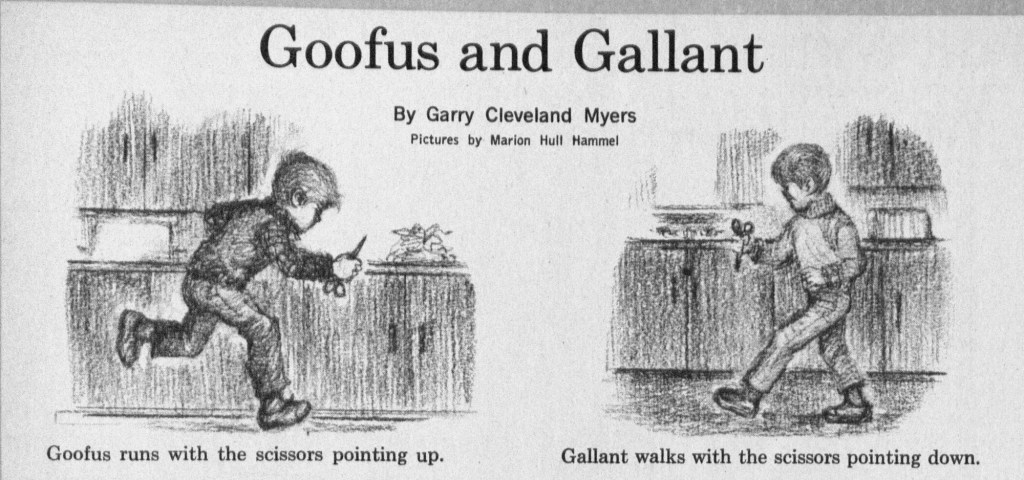
Goofus is the unleashed animal instincts of the unconscious mind. He is the boy who kicks the back of the airplane seat, leaves his wet towels to mildew on the bathroom floor, and grabs the last slice of pizza without asking. Gallant, on the other hand, is the complete opposite like a poster child for perfection. He opens doors for the elderly, shares his box of crayons with a smile, and speaks in complete, grammatically correct sentences that suggest he might secretly be a polite 45-year-old accountant trapped in a child’s body.
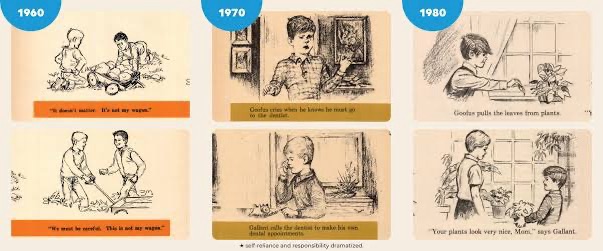
Back in the issues of my childhood, Goofus and Gallant were presented with a stark intention for moral instruction. Goofus looked like a future juvenile delinquent and Gallant seemed like he was auditioning for a church choir. I spent half my childhood convinced I was a Goofus trying to pass in a Gallant world. If I accidentally slammed a door, I could practically hear the narrator whispering my failures to the universe.
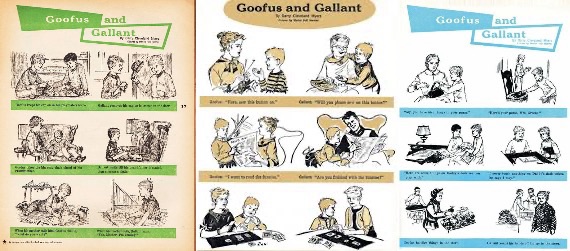
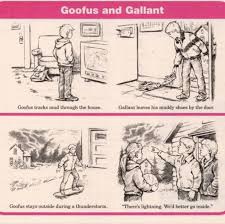
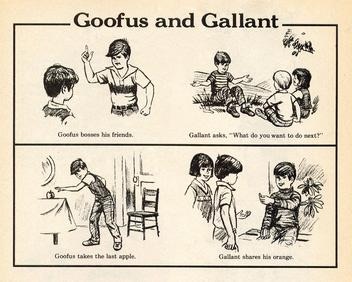
As the decades rolled on, the strip underwent a subtle yet brilliant evolution. Goofus was no longer evil. He was simply thoughtless. Gallant was no longer a flawless saint. He was just a kid making a conscious choice to be kind. The true brilliance of the strip lies in its refusal to punish Goofus. There are no scenes of Goofus getting grounded, scolded, or whipped by an angry father. The punishment is the behavior itself. The strip assumes that children possess an inherent desire to be good, and that seeing Goofus slam a door in his sister’s face is enough to make a reader think, “I don’t want to be THAT guy”.
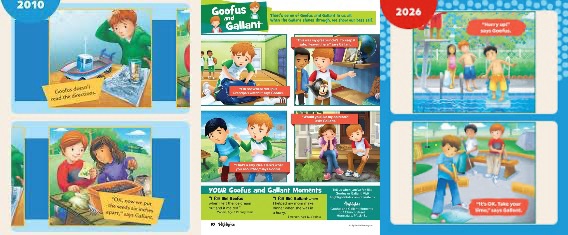
It is a masterclass in gentle behavior modification that has outlasted a thousand parenting trends from Dr. Spock to the modern “gentle parenting” influencers of TikTok. Goofus and Gallant are eternal because the struggle between our worst impulses and our best selves never actually ends. We just grow up and start managing hedge funds or writing newspaper columns instead.
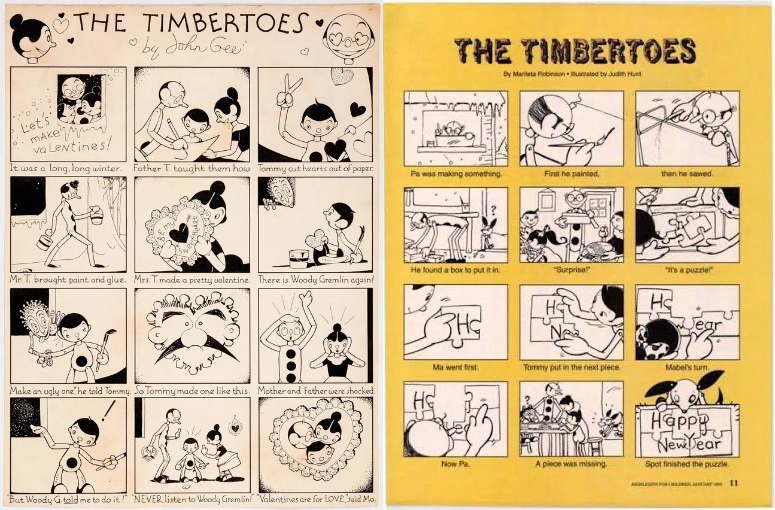
After “Hidden Pictures” and “Goofus and Gallant” the holy trinity of “Highlights for Children’s” non-negotiable features is “The Timbertoes,” a comic strip about a family of wooden puppets that has been running since 1951. Originally drawn by Jud Hurd, the Timbertoes feature Ma, Pa, Tommy, Judy, and their wooden dog, Spot who live in a world where everything is made of wood, including their feelings.
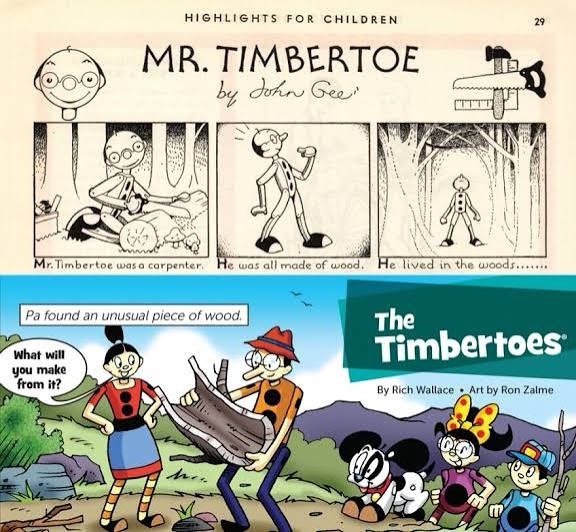
On paper, the Timbertoes make absolutely no sense for a modern audience. They don’t have smartphones or television. They spend their time doing things like raking leaves, baking bread, and fixing broken fences. They are an artifact of an idealized mid-century America that barely existed when the strip started, let alone today. Yet, the editorial offices in Columbus say if they try to take the Timbertoes out of the magazine, they are flooded with letters from furious grandmothers and deeply confused seven-year-olds because the Timbertoes represent absolute safety. In a world that feels increasingly volatile, loud, and screen-saturated, the Timbertoes offer a universe where the biggest problem of the month is that Spot buried Pa’s wooden pipe in the garden. It functions as a visual palate cleanser.
That sense of safety is ultimately what has allowed “Highlights” to reach its 80th anniversary with its dignity intact. The magazine has never tried to be cool. It has never adopted the cynical, ironic tone that defined children’s media in the 1990s and 2000s. It never tried to be “edgy.” It understood that childhood is already edgy enough, full of big emotions, social anxieties, and physical vulnerabilities without the media adding to the noise.
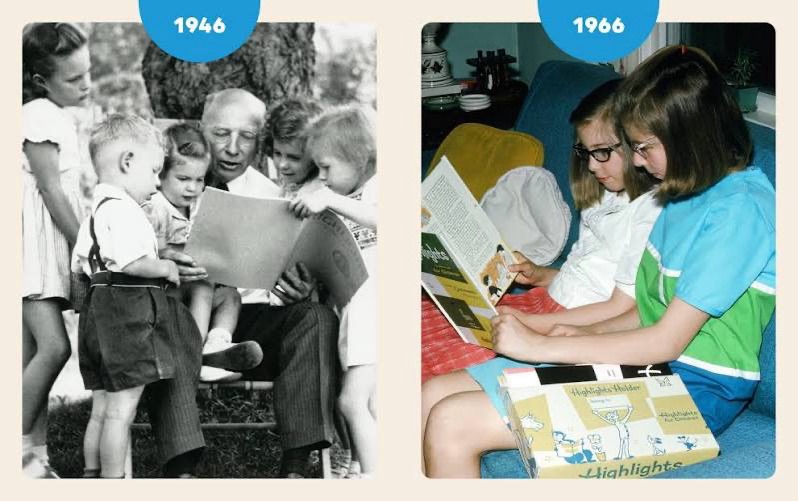
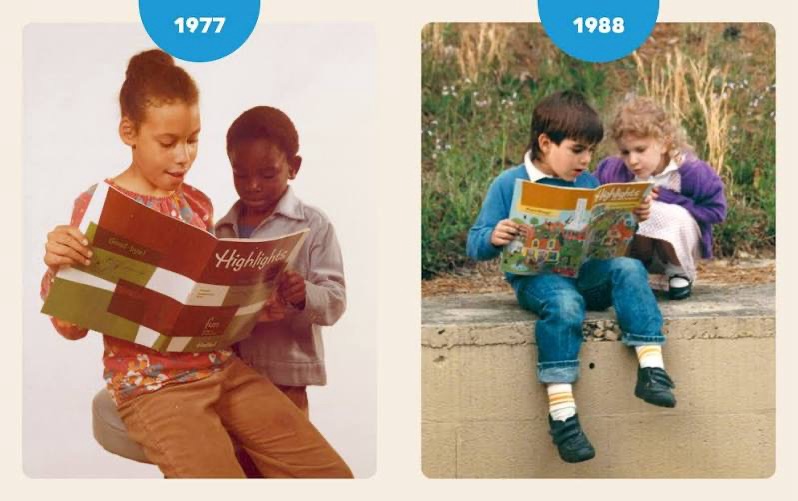
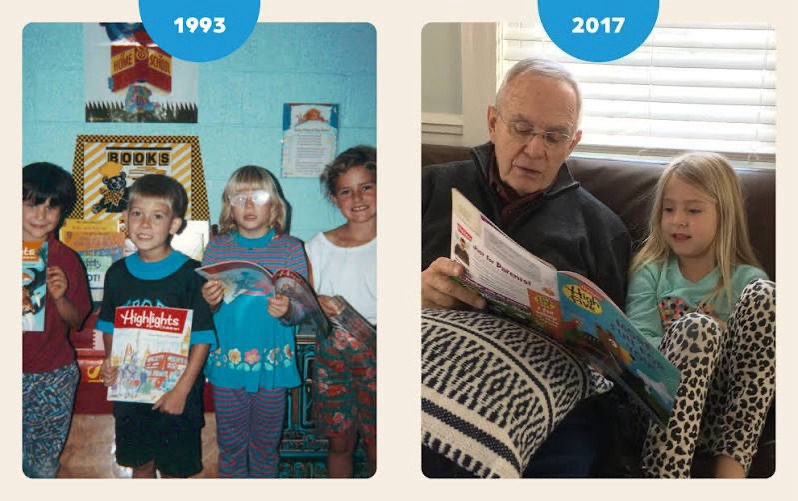
As “Highlights” enters its ninth decade, it faces challenges that its founders could never have anticipated. Print costs are skyrocketing and the postal service is an unpredictable mess. This is a common problem felt by all of us who still try to put our words into printed form for those who enjoy reading without a screen in hand.
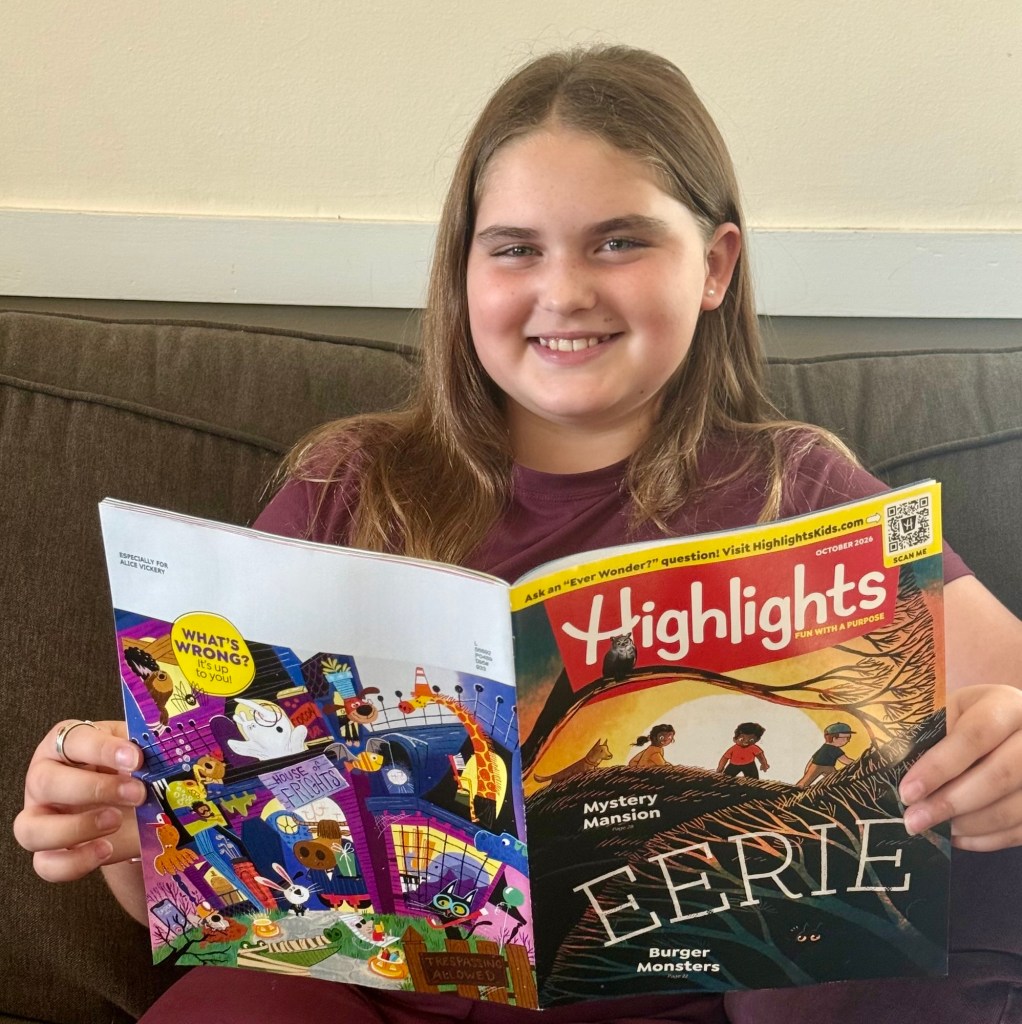
The average attention span of an eight-year-old has been pulverized by algorithms designed by the smartest engineers in Silicon Valley to maximize engagement through synthetic dopamine spikes. Despite all that, “Highlights” is still here, producing two billion pages of content per year. They have expanded into podcasts, digital apps, and international editions, but the core product remains that printed monthly magazine. Parents who read it under the covers with a flashlight in the 1970s are now buying subscriptions for their grandchildren.
It turns out that the Myers’ original bet was correct. If you treat children with respect and if you don’t treat them as consumers to be exploited but as minds to be enriched, you build a rare kind of immortal institution that can survive the death of print, the rise of the internet, and the collapse of cultural uniformity. In a world this loud, that isn’t just good publishing, it’s a sanctuary where a child’s mind can simply breathe.
So here’s to eighty years of “Highlights”. May we all find the hidden comb in the picket fence, may we all find the grace to be a little more like Gallant than Goofus, and may there always be a worn, dog-eared copy waiting for us on the low table when we need it most.
To explore & subscribe, visit the official online store at shophighlights.com to pick up a monthly magazine bundle.
Follow the legacy of “Highlights for Children” on their official Facebook and Instagram pages as well as their YouTube channel.