LET’S MAKE SOME NOISE, VINTAGE MOVIE STYLE: CELEBRATING THE FILMS OF YESTERDAY AND THE DAY BEFORE
The November Reel: A Clint Eastwood Veterans Day Four-Film Tribute
By: Kevin Vickery
Welcome back, vintage film fans. Now that it’s November, we are looking at something a little different for the column. With Veterans Day this month, also my favorite date on the calendar (11/11), we are taking a break from our usual music and local spotlights to talk about something that hits close to home for a lot of us: war, reflection, and the legacy of Clint Eastwood.
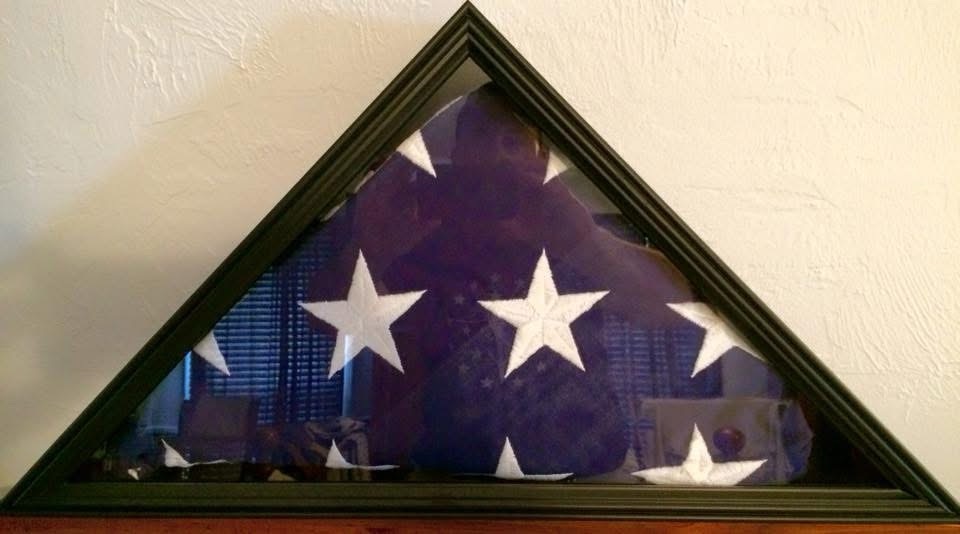
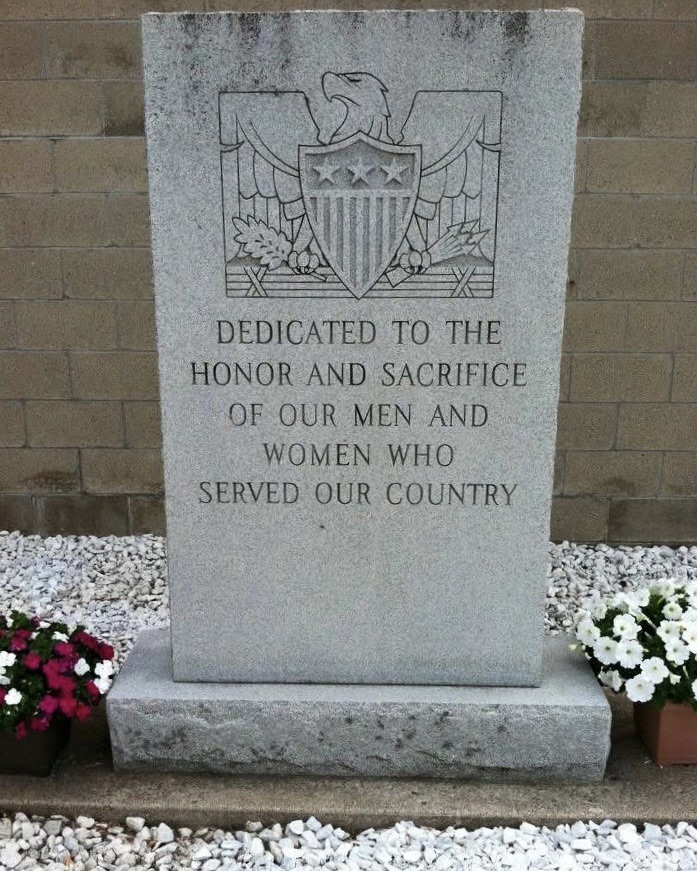
Even though I never served in uniform myself, I have the utmost respect for those that did. I am a direct product of veteran service, with my dad serving in Vietnam and my grandfather serving in Korea. Growing up with that family history gives you a different perspective on the sacrifices made by our military families. It is also why I have always gravitated toward filmmakers who treat the uniform with the honesty it deserves.
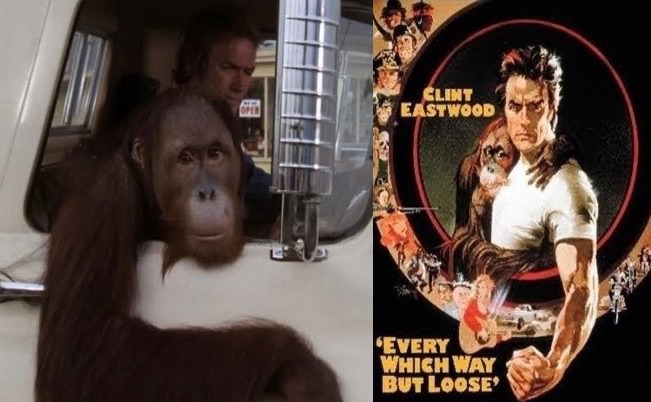
When most people think of Clint Eastwood, they think of a guy squinting over a smoking Colt .45 or a rogue cop carrying a massive Magnum. My personal first Eastwood memories on screen are from “Every Which Way But Loose,” when his pet orangutan would use traffic hand signals at his command to punch the bad guys through the open window of his pick-up truck. To this day I use the phrase “Right turn, Clyde” frequently when driving, although the quality vintage reference is lost on my kids. But I digress…
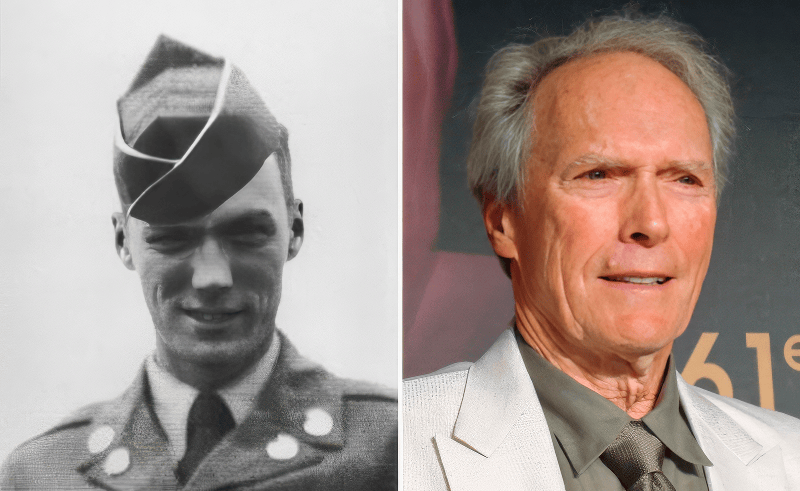
If you look at the movies Clint Eastwood has acted in and directed over the last fifty years, you will find one of the most honest, gritty, and respectful looks at military service ever put on film. That deep connection to the military isn’t an act. Eastwood is a veteran himself, drafted into the U.S. Army back in 1951 during the Korean War era. He spent his enlistment at Fort Ord in California working as a swimming instructor before getting discharged in 1953. That real-world time in uniform gave him a foundational respect for the military that shows up in every frame of his work. He doesn’t go for cheap Hollywood flag-waving. Instead, he looks right at what combat does to a person’s soul, the high price of political fights, and how tough it is to come back home to a civilian world that doesn’t understand what they went through.
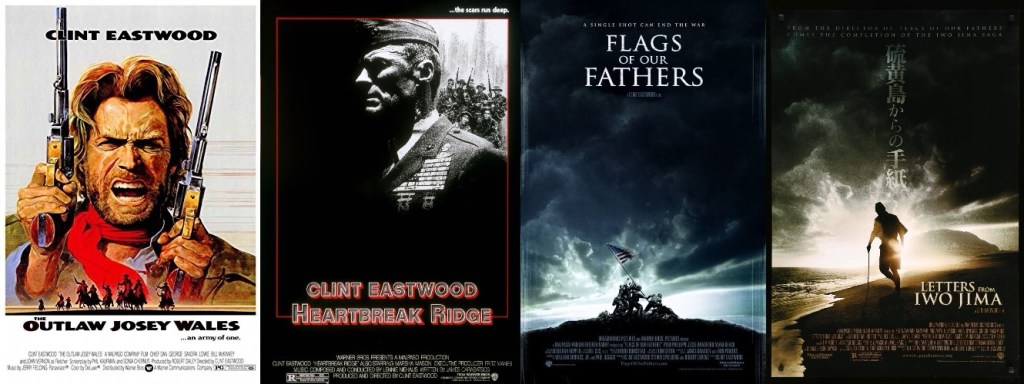
This month, we are setting up a four-film marathon that lines up perfectly with my “movies from yesterday and the day before” format, looking back at our favorite classics in exact ten-year increments. We are hitting the trail from the American Civil War to a 1980s island invasion, and ending with a double-sided look at World War II. Kick back, relax and let’s dive into Clint’s military catalog.
“The Outlaw Josey Wales” (1976) – Rated PG
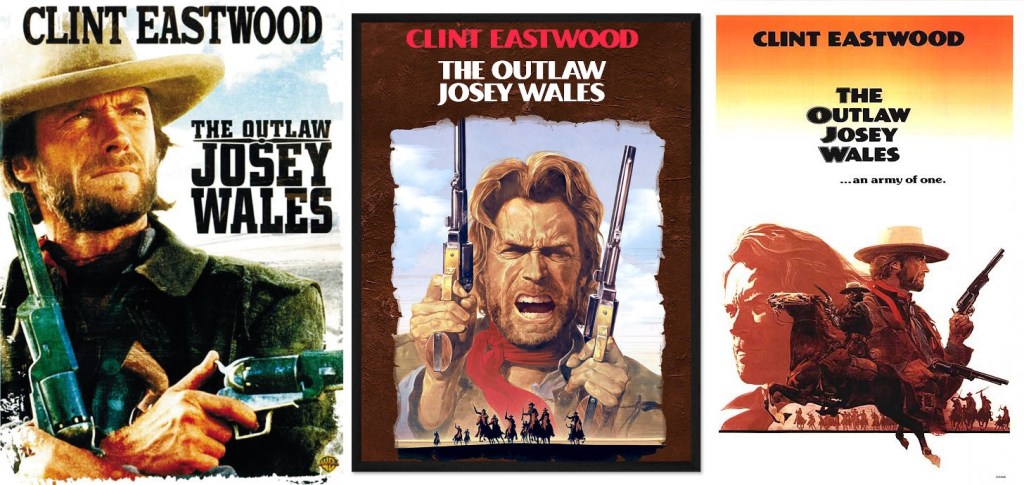
We start our marathon exactly fifty years ago with a movie that rewrote the rules of the classic Western by turning it into a raw story about post-war survival. When “The Outlaw Josey Wales” hit theaters in the summer of 1976, the country was still deeply bruised from the Vietnam War. Even though the movie takes place during and right after the American Civil War, the themes of betrayal, trauma, and a soldier trying to find his way back to civilian life were incredibly timely.
The film was directed by and stars Clint Eastwood as Josey Wales, a vengeful Missouri farmer turned Confederate guerrilla, alongside Chief Dan George as Lone Watie, a funny and wise aging Cherokee elder, and Sondra Locke as Laura Lee, a young woman Wales rescues from a group of comancheros.
The film begins with a devastating act of violence. Josey Wales is a peaceful Missouri farmer whose life is shattered when his home is burned and his wife and son are murdered by a band of pro-Union Jayhawkers. Driven by pure vengeance, Wales joins a group of Confederate guerrilla raiders to fight the Union. When the war ends, his comrades are lured into surrendering and get completely wiped out. Wales refuses to give up his guns, turning him into a hunted outlaw on the run.
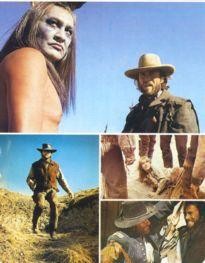
What makes this a perfect movie for a Veterans Day marathon is that it isn’t really about the fighting. It’s about the long, slow, painful process of putting your life back together after your entire world has been destroyed. As Wales makes his way down to Texas, he keeps accidentally picking up a makeshift family of outcasts, including Lone Watie (George) and Laura Lee (Locke).
Instead of making a simple revenge story, Eastwood shows empathy for the ordinary people caught in the crossfire of the war.
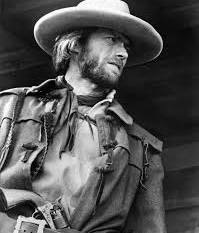
Josey Wales is a man who died inside the day his family was taken from him, but by protecting this new little community, he slowly finds his way back to being a human being. “The Outlaw Josey Wales” is a loud, tough Western that reminds us that oftentimes the hardest battle a soldier ever fights is finding peace after the war is over.
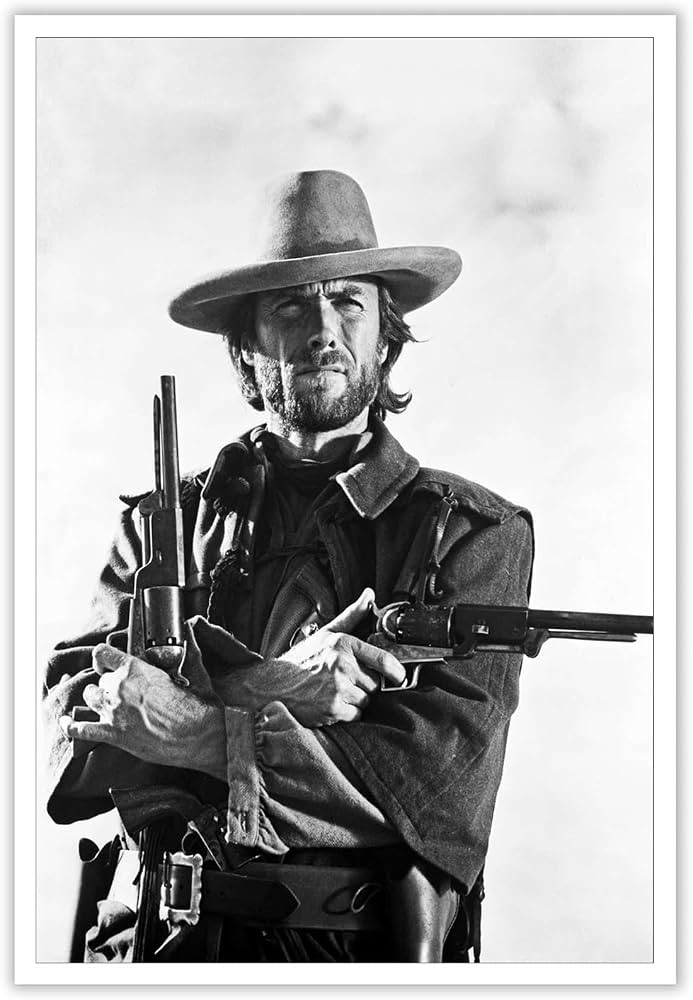
Upon release, the film was a big success across the board. Critics widely praised its narrative depth and its take on the West, hailing it as an instant classic that transitioned the boundaries of a typical frontier story. At the box office, it grossed $31.8 million domestically, solidifying its place as both a commercial success and one of the highest-rated critical films of Eastwood’s early directorial career.
“Heartbreak Ridge” (1986) – Rated R
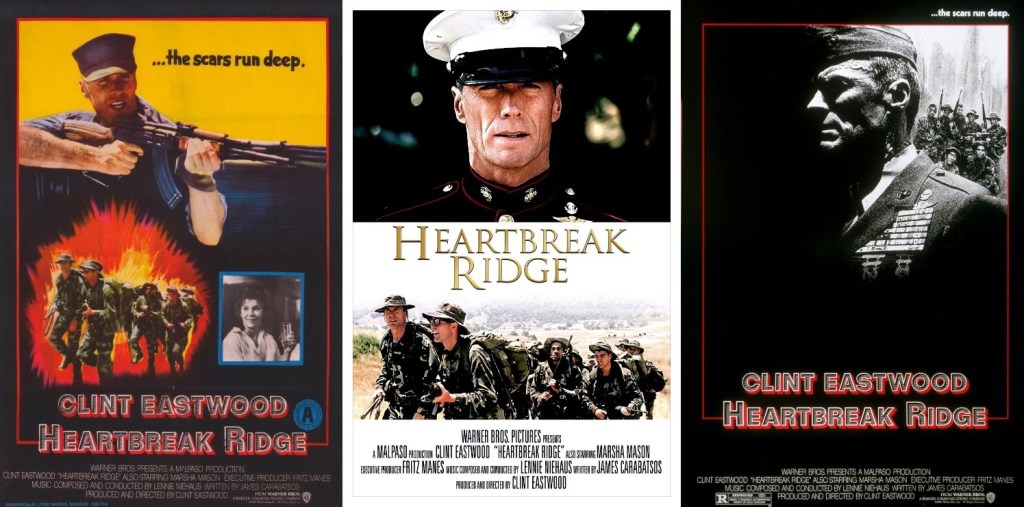
Moving to 40 years ago in 1986, Eastwood took a completely different angle on the military. “Heartbreak Ridge” waps out the heavy, somber tone of the seventies for the tough, foul-mouthed reality of the peacetime Marine Corps right before a real-world international crisis.
This production stars Clint Eastwood as Gunnery Sergeant Thomas “Gunny” Highway, a grizzled, decorated old-school combat veteran of the Korean and Vietnam Wars alongside Marsha Mason as Aggie, Highway’s exasperated ex-wife, and Mario Van Peebles as Corporal “Stitch” Jones, a flashy, rock-and-roll-loving Marine recruit.
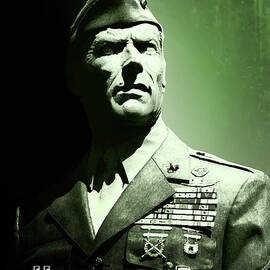
Highway is a dinosaur in the modern, bureaucratic military of the 1980s who drinks too much, gets thrown in jail, and absolutely despises the soft, corporate-minded officers who have never seen a real firefight. He gets sent back to his old unit to whip a lazy, undisciplined reconnaissance platoon into shape.
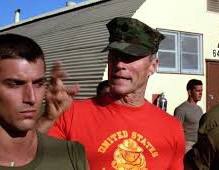
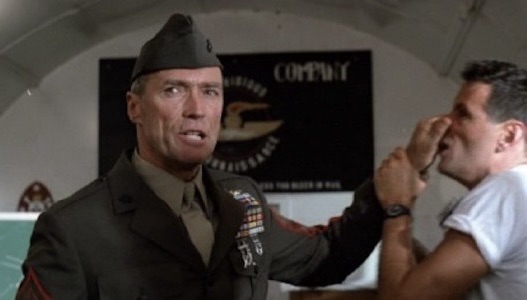
The great trick of the movie is how it shifts from a funny, classic training comedy into absolute reality. The final act drops Highway and his platoon right into the middle of the 1983 U.S. invasion of Grenada (Operation Urgent Fury) and suddenly, the training isn’t a joke anymore. Highway’s spoiled kids get dropped into hot fire and have to use his brutal lessons just to stay alive.
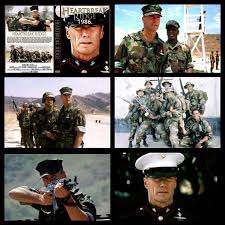
Eastwood does a great job balancing the profane, hilarious dialogue with a genuine respect for the bond that forms between soldiers. It highlights why you need experienced, veteran leadership when everything goes sideways. Gunny Highway represents the old school guys who carry the scars of past wars so the next generation stands a chance of making it back home.
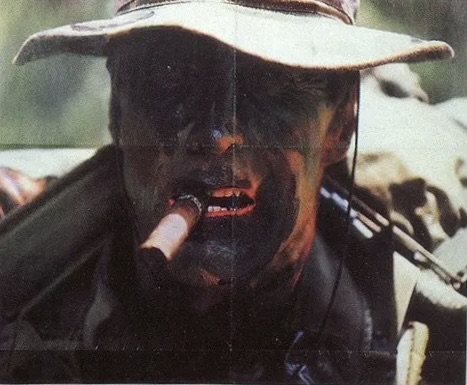
The movie was a huge success at the box office, pulling in over $121 million worldwide. Audiences couldn’t get enough of Clint playing a tough-as-nails Marine. While critics were a bit split on whether the training stuff was too cliché, most still raved about Eastwood’s charisma and the film’s wild energy, turning it into a big favorite for action fans of the 80s.
“Flags of Our Fathers” (2006) – Rated R
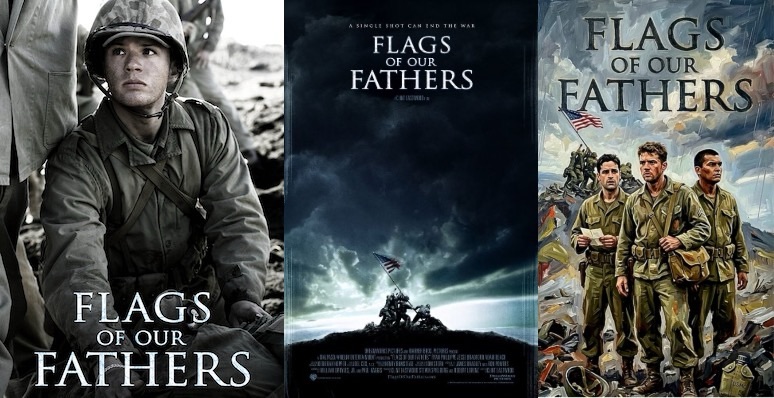
In 2006, Eastwood did something that had never been done in movie history. He directed two massive World War II epics back-to-back, chronicling the exact same bloody battle from two completely opposite sides.
The first part of this twin feature was “Flags of Our Fathers”, which takes a hard, heartbreaking look at the American experience during the battle of Iwo Jima.
The film stars Ryan Phillippe as John “Doc” Bradley, Jesse Bradford as Rene Gagnon, and Adam Beach as Ira Hayes, a Native American Marine tragically struggling with severe survivor’s guilt.
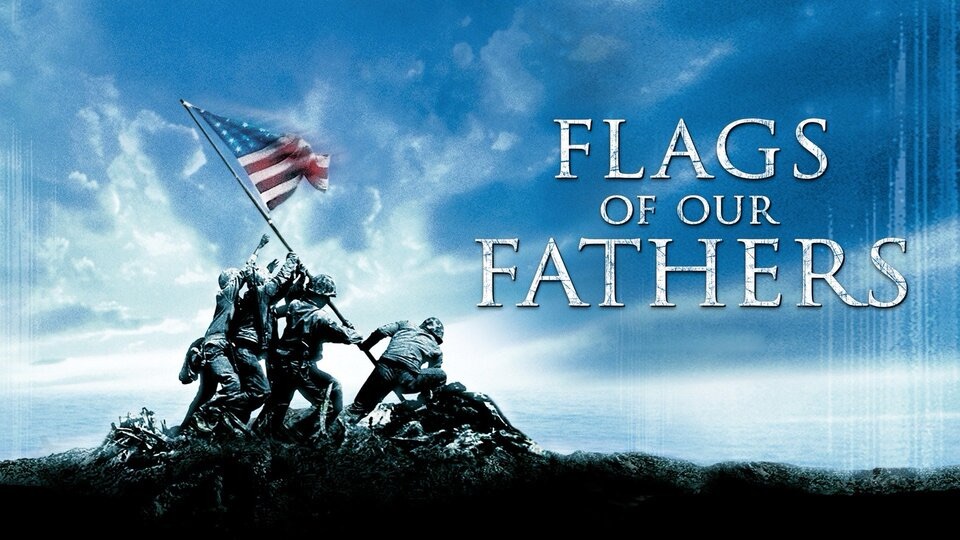
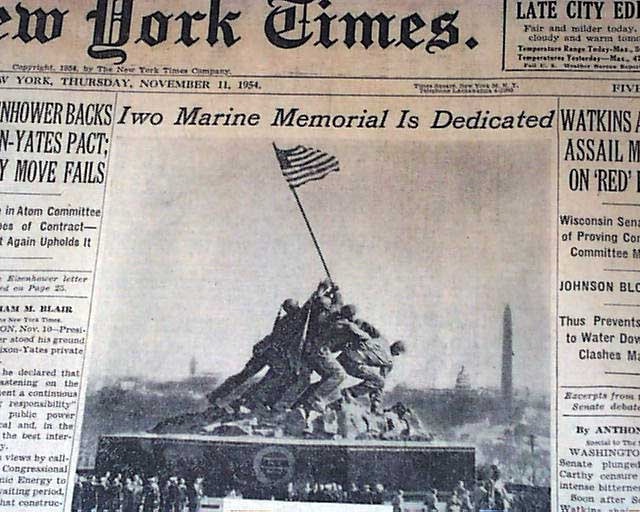
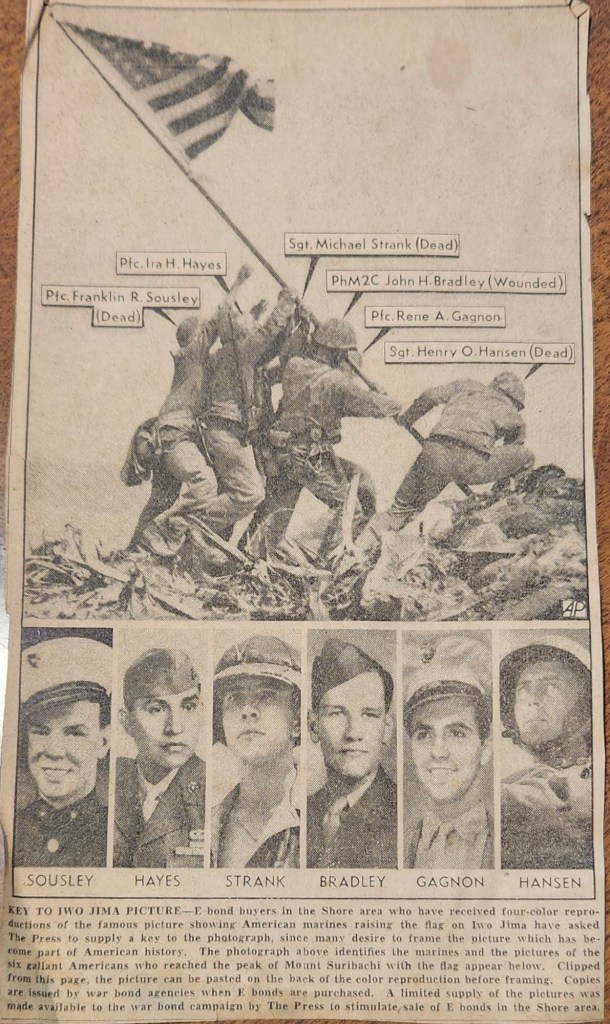
This true story is based on the famous book about the six guys who raised the American flag on top of Mount Suribachi. When that iconic photograph hit the newspapers back home, the government immediately pulled the three surviving flag-raisers out of combat to parade them via a giant, theatrical war bond tour to raise money for the military.
The movie bounces back and forth between the terrifying, chaotic, ash-covered beaches of Iwo Jima and the surreal, brightly lit stadiums of the home front. Eastwood uses this to take a swing at the whole idea of Hollywood heroism. The three young guys are paraded around like celebrities and forced to climb fake papier-mâché mountains for cheering crowds, all while suffering from terrible post-traumatic stress, knowing the real heroes are the buddies they left behind on that island.
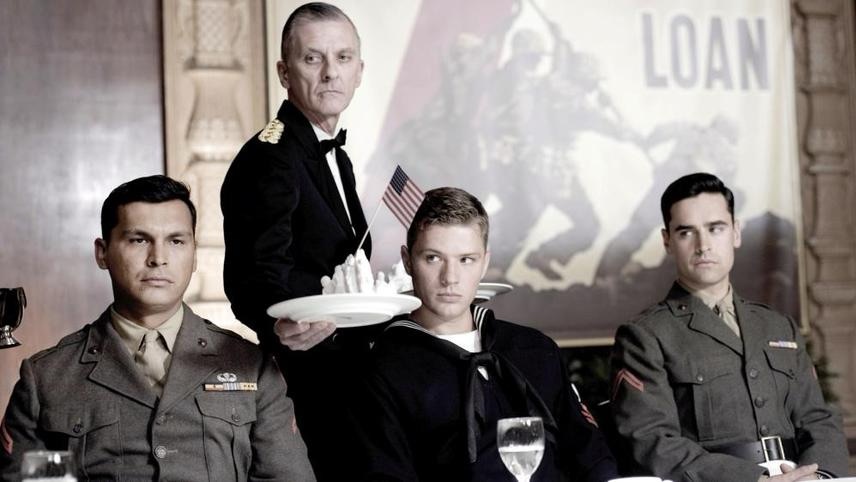
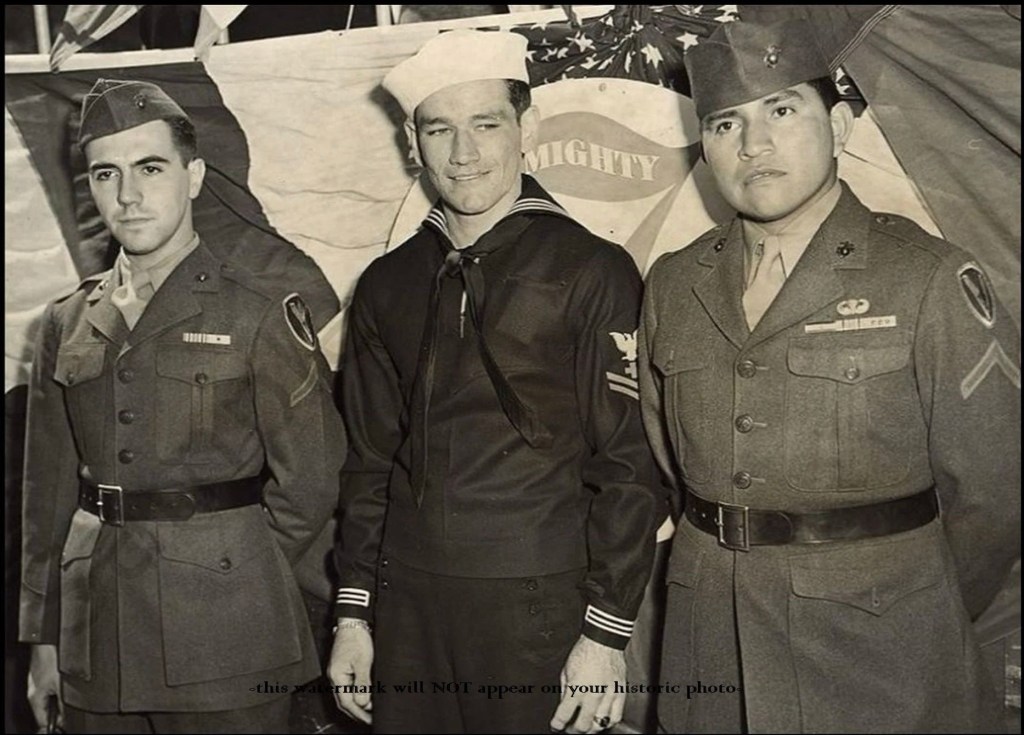
The heart of the movie is Adam Beach’s incredible, tragic performance as Ira Hayes. Despite his service, he experiences awful racism at home and spirals into alcoholism just to cope with the pain of surviving. It’s a deeply moving movie that honors veterans by showing them as real, vulnerable human beings instead of perfect, plastic myths.
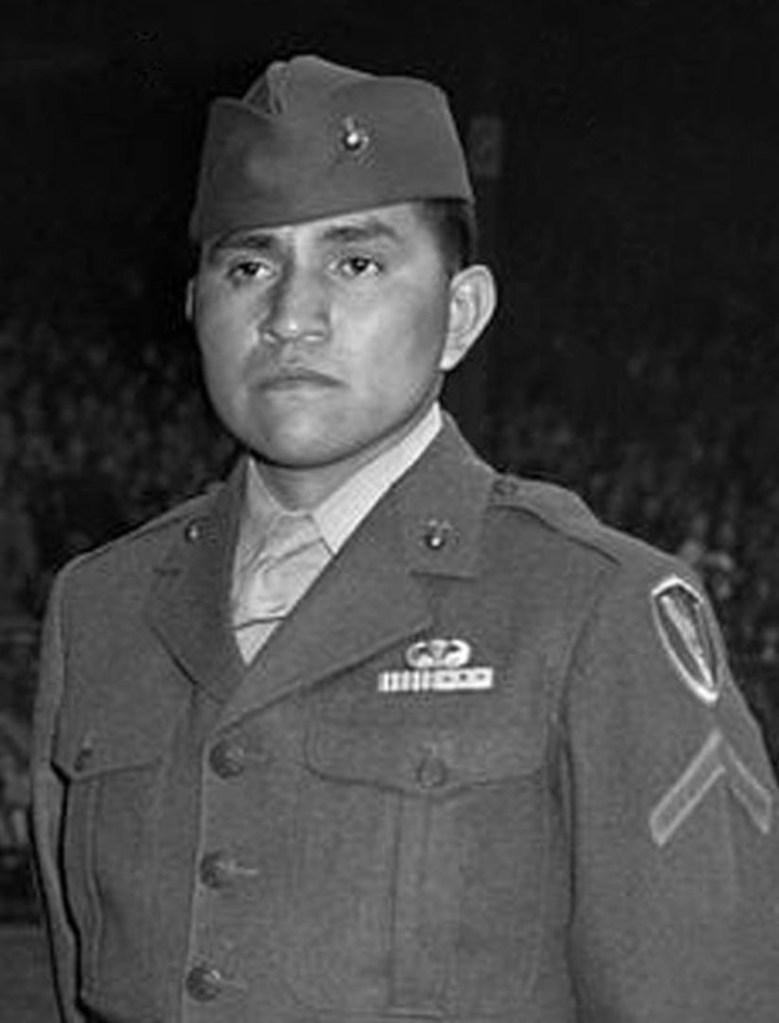
From a critical standpoint, the film earned strong marks, with reviewers heavily praising its technical achievements, devastating combat sequences, and its mature deconstruction of war-front mythmaking. However, its complex, somber tone didn’t immediately translate to box office gold. The film pulled in roughly $65.9 million globally against a hefty $90 million budget, making it a financial disappointment at the time despite its undeniable artistic and historical value.
“Letters From Iwo Jima” (2006) – Rated R
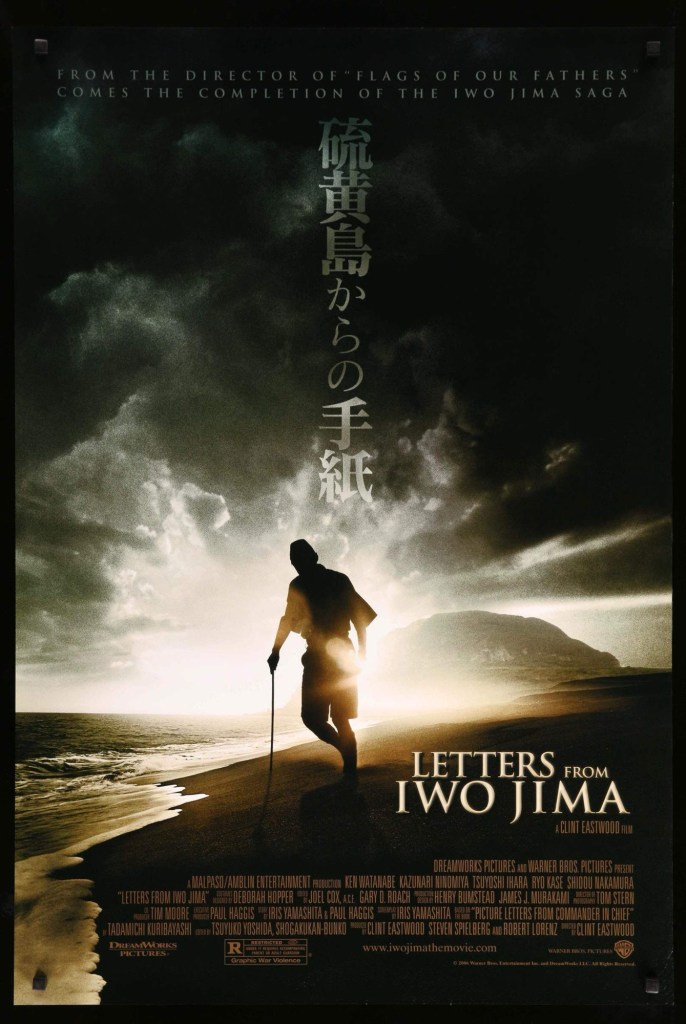
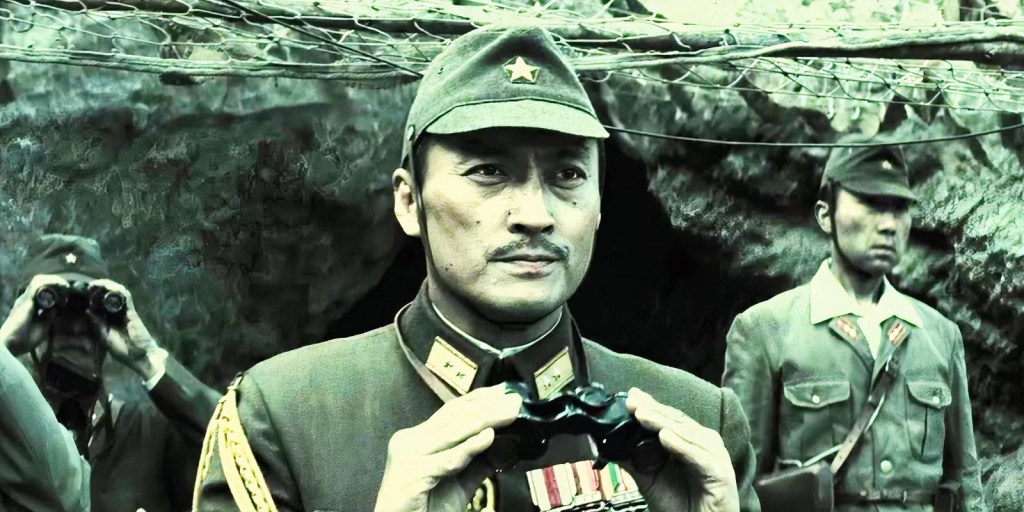
Just a couple of months after the American side hit theaters, Eastwood released the companion piece, “Letters From Iwo Jima”. Filmed almost entirely in Japanese, this magnificent true story crosses the battle lines to show the exact same fight from the perspective of the Japanese soldiers who were ordered to defend the island to the death, knowing they would never return home.
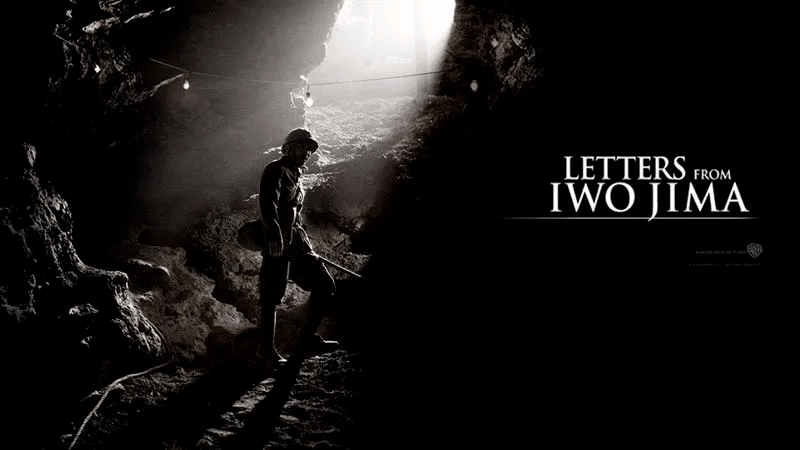
The cast is steered by a critically acclaimed performance from Ken Watanabe as General Tadamichi Kuribayashi, the brilliant commander of the garrison, alongside Kazunari Ninomiya as Saigo, a conscripted, family-oriented baker, and Tsuyoshi Ihara as Baron Takeichi Nishi, an aristocratic Olympic equestrian turned tank commander. Realizing his men are completely outnumbered, General Kuribayashi orders them to dig a massive, freezing network of underground tunnels through the volcanic rock of the island to force the Americans into a brutal game of hide-and-seek.
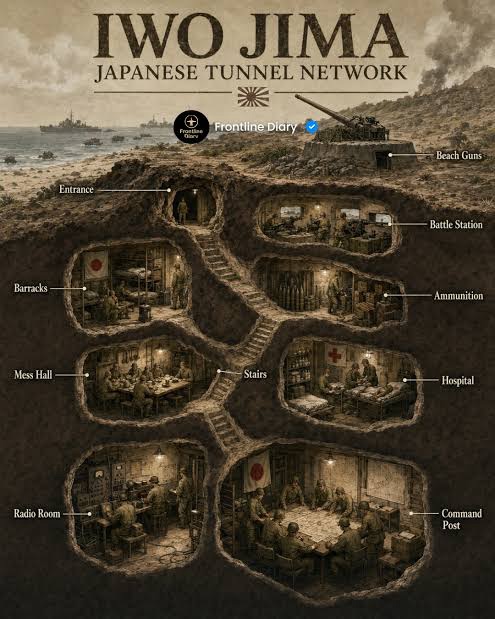
Through everything, we follow Saigo, who couldn’t care less about imperial glory or dying for an emperor. He just wants to survive long enough to see his newborn daughter. By using real letters that were buried in the caves and found decades later, Eastwood strips away the faceless enemy motif that filled old Hollywood war movies. We see that these guys were writing to their moms and wives just like the American soldiers were.
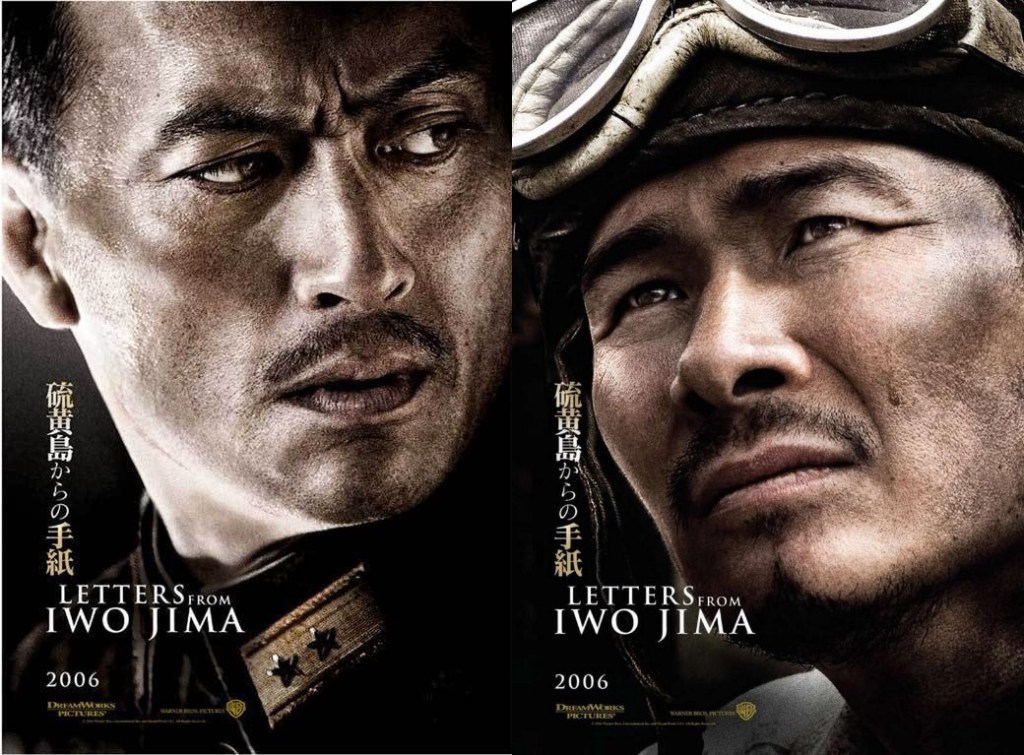
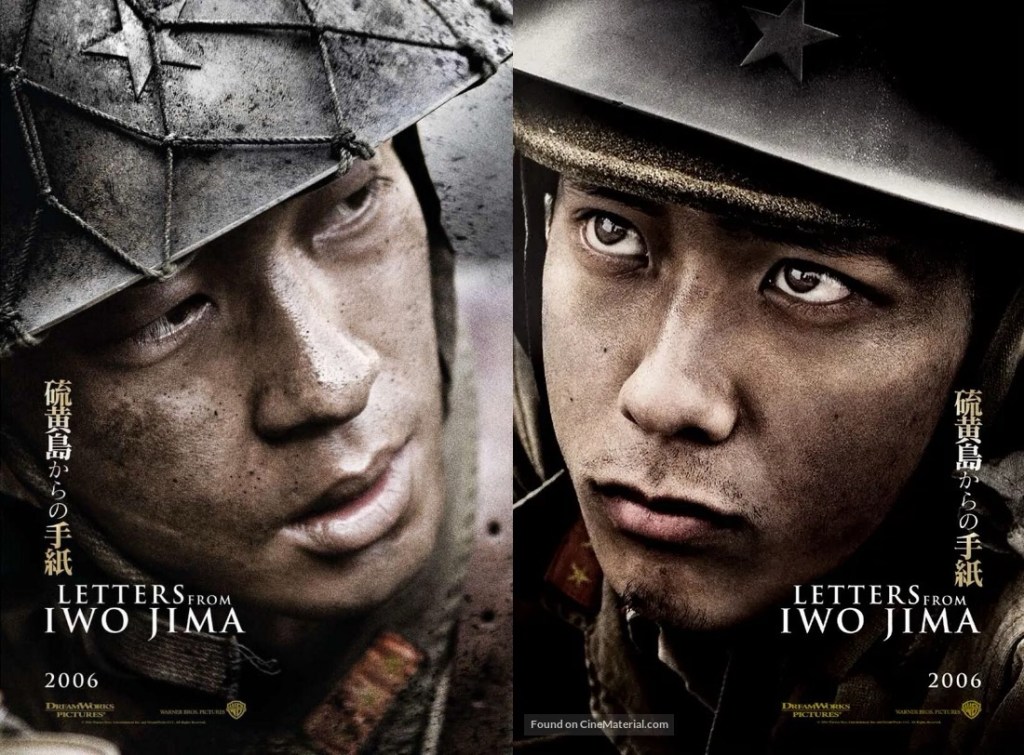
Eastwood shoots the movie with almost no color, making you feel just as trapped and hot as the soldiers inside those dark caves, seemingly as an act of artistic empathy. By showing that the young men on the other side of the ridge felt the exact same fear and loneliness, Eastwood turns a piece of history into a universal story about the shared humanity of any soldier caught in a war.
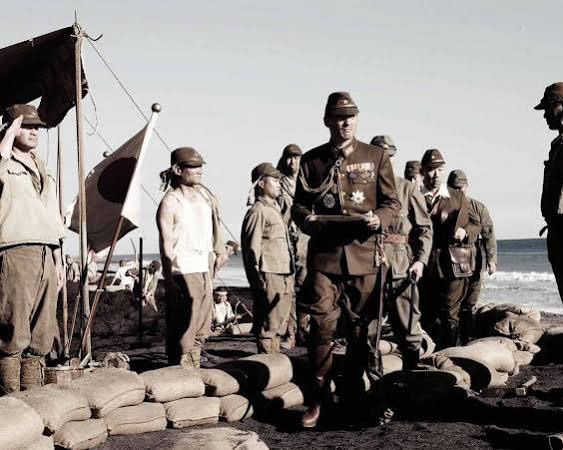
The critical reception for this companion piece was nothing short of massive, with many prominent reviewers declaring it vastly superior to its predecessor and ranking it among the absolute best war films ever made, which ultimately led to four Academy Award nominations including Best Picture. On the commercial front, the film flipped the script by becoming a surprise box office success, grossing over $71 million worldwide. A large portion of that coming from an incredibly successful theatrical run in Japan.
Eastwood’s real legacy as a filmmaker is that he doesn’t give you easy answers. He treats the men and women who wear the uniform with the highest level of dignity, not by pretending that war is some glorious adventure, but by showing exactly how scary, costly, and life-changing it really is.
Whether you prefer the sweeping vengeance of the American frontier, the fierce bravado of eighties Marines, or the groundbreaking historical weight of the opposing Iwo Jima narratives, these films deserve your time this November. This Veterans Day, let’s pay attention to the stories, and make some serious noise for the veterans who actually lived it.
You can stream Clint Eastwood’s military masterpieces across major digital platforms including Amazon Prime Video, Apple TV, Tubi, and Pluto TV this November.